Leave Your Message

Why Choose Composite Decking?

Why Choose Composite Decking?

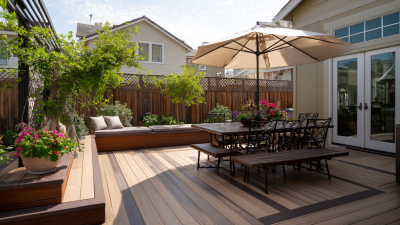
A deck should feel welcoming underfoot and stay useful through changing seasons. Composite decking offers an alternative to traditional wood, combining recycled or virgin plastic with wood fibers in many products. The exact blend varies by brand, so buyers should check product specifications rather than assume every board performs the same way.

“Good decking is chosen for the life you live outdoors, not just the sample you hold in the store,” says Jordan Lee, a fictional composite-decking specialist. This illustrative quote is not a sourced industry statement. It points to a practical question: how will the boards handle wet shoes, spilled drinks, strong sun, and regular foot traffic? Decking Composite products can reduce routine tasks such as sanding and staining, though they still need cleaning. A quick rinse may clear dust; stubborn marks can take more effort.

Color, texture, board spacing, and installation details all shape the finished deck. Some composite boards can become hot in direct sunlight. They may also show scratches or fading, depending on the product and conditions. Check the warranty, care instructions, slip-related guidance, and installation requirements before choosing. Ask to see a full-size sample outdoors. Notice the surface in bright light.

Composite decking is not automatically the right choice for every home. Upfront costs can be higher than wood, and product quality differs. A careful comparison helps homeowners balance appearance, maintenance, durability, and budget. The decision deserves a second look.
Why Choose Composite Decking?

What Is Composite Decking?

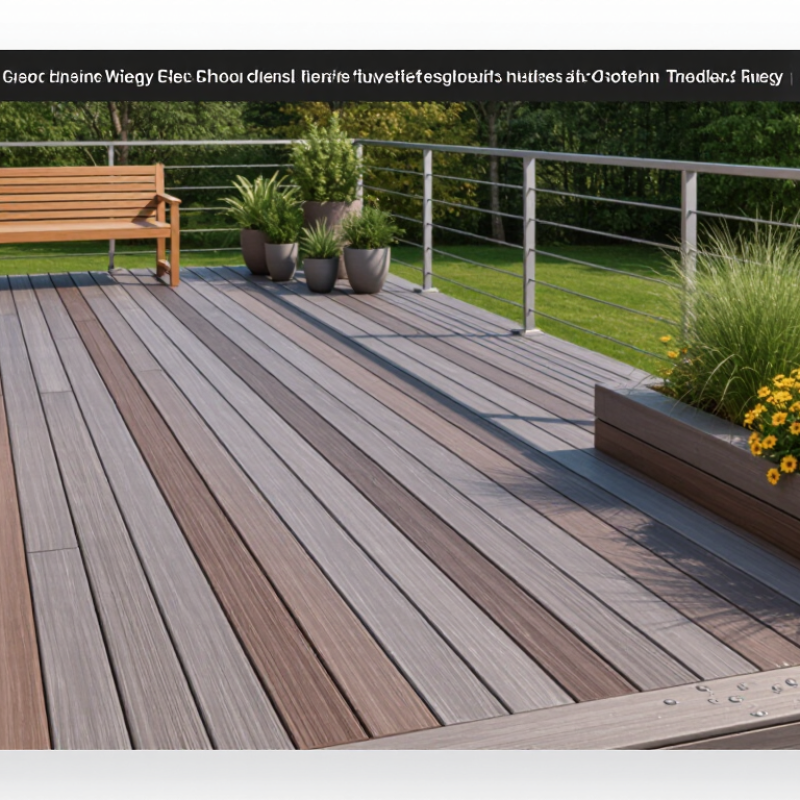
Composite decking is a manufactured outdoor board made from wood fibers and recycled polymers. Heat and pressure bind these materials into dense planks. Many boards include a protective polymer cap, which helps resist moisture, stains, and fading. Unlike untreated timber, composite decking does not require regular sealing to limit water absorption.

Its appearance can resemble painted wood, but the surface feels more uniform and less natural. Installation still needs careful spacing because boards expand and contract with temperature changes. A poorly ventilated substructure may trap moisture underneath. Composite is not maintenance-free. It usually needs sweeping and occasional washing, especially beneath trees or around outdoor cooking areas. That detail is easy to overlook.

Tips: Ask for the product’s installation guide and technical data sheet. Check joist spacing, fastener compatibility, drainage, and heat performance before purchasing. Samples viewed in daylight are useful because darker boards can become uncomfortable under strong sun. The 2024 Cost vs. Value report estimated a 68.2% cost recovery for a composite deck addition in the United States. That figure is helpful, but it is not a guarantee. Climate, workmanship, access, and local property demand can change the result. My practical concern is simple: choosing a premium-looking board cannot correct weak framing or poor water management.

How Composite Decking Is Made

Composite decking begins with two main ingredients: wood fiber and thermoplastic polymers, such as polyethylene or polypropylene. Manufacturers dry and blend them with pigments and performance additives, then use heat and pressure to form a dense mixture. An extruder pushes it through a shaped die; cooling equipment sets the profile before boards are cut. Some products receive a co-extruded outer layer for added surface protection. Not every board is made the same way.

The USDA Forest Products Laboratory describes wood-plastic composites as materials combining wood and plastic, with recipes and processing varying across products. That variability matters: recycled content, fiber size, moisture control, and additives can affect consistency and finished performance. Grand View Research valued the global wood-plastic composites market at about $6.3 billion in 2022, reflecting broad demand, not proof that every formulation performs equally well. A useful question for buyers is what the product contains and how its performance is tested. The manufacturing steps sound straightforward. They are not always. A small change in moisture or mixing can influence the surface, color, and dimensional stability, so production control deserves attention alongside the material recipe.

Why Choose Composite Decking? — How Composite Decking Is Made

How it’s made: Wood fibers or flour are blended with thermoplastic polymers and small amounts of additives. The mixture is compounded, heated, and formed into deck boards, commonly by extrusion. The chart shows one illustrative formulation by mass; actual recipes vary, so these percentages are not universal. Composite decking generally avoids the routine staining or sealing often required for wood, but cleaning and care depend on the product and conditions.

Key Benefits of Composite Decking

Why Choose Composite Decking?

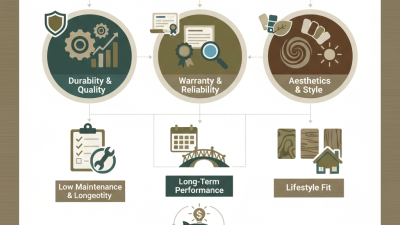
Composite decking can make outdoor upkeep more predictable. Unlike many untreated wood surfaces, it generally does not need routine staining or sealing, leaving more weekends free from sanding and coating. A quick wash with mild soap and water often removes ordinary dirt, though care instructions vary by product. That is practical. Boards combine wood fibers with plastic, and their composition differs, so checking product specifications is worthwhile.

Moisture resistance can help reduce splintering, rot, and insect damage, especially in damp settings. Color and grain options offer a finished look without annual refinishing, while hidden fasteners can create a smoother surface.

Still, composite boards can heat up in direct sun, and spills may leave marks if cleanup is delayed. They can also cost more upfront than some lumber, and they are not maintenance-free. Compare warranties, slip ratings, ventilation needs, and expansion gaps before choosing. Those details are easy to miss. A stable frame and careful installation matter as much as the boards; poor drainage can leave water sitting beneath the deck.

Comparing Composite Decking with Wood

Wood and composite decking can both create a useful outdoor living space, but they behave differently over time. Wood has a natural grain and can be cut or repaired with familiar tools. A cedar board, for example, may show knots and color variation that suit a traditional yard. That character comes with upkeep: sunlight and rain can fade or roughen the surface, so cleaning and periodic sealing or staining may be needed. It is easy to underestimate that work.

Composite boards are made from a mix of materials, often including wood fibers and plastic. They usually need less routine sealing, which can save time during busy seasons. Still, “low maintenance” does not mean maintenance-free. Dirt and food spills need prompt cleaning, and surface scratches may be harder to disguise than on wood. On a sunny patio, darker boards can become uncomfortable under bare feet; check samples outside before choosing a color. They can also expand and contract, so correct spacing and fastening matter.

Cost deserves a close look. Wood may have a lower purchase price, while composite can reduce some recurring care expenses; actual costs depend on material, climate, and installation. Wood is often easier to sand or replace in small sections, though matching its weathered color can be frustrating. Composite offers more consistent color, but damaged boards may require a careful replacement. The right choice depends on whether natural texture or reduced upkeep matters more to your household.

Factors to Consider Before Choosing Composite Decking

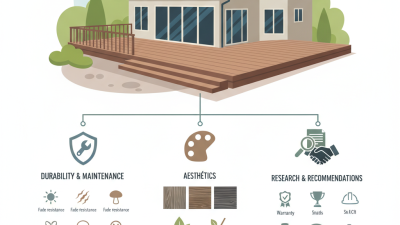
Composite decking can work well on a busy patio, but the right choice depends on the site, budget, and expectations. Start by checking drainage. Water trapped beneath boards can keep the supporting frame damp and lead to problems over time. Inspect the joists and confirm their spacing before ordering; different decking systems can have different installation requirements. A surface that feels sturdy may still need framing repairs.

Consider sun exposure and temperature. Dark boards can feel hot under bare feet on a sunny afternoon, especially near a south-facing wall. Ask for a sample and view it outdoors. Color varies in real light. Surface texture matters, too: wet leaves or frost can make some finishes slippery. Think about how the deck will be used, including muddy shoes, food spills, and heavy furniture.

Compare the full installed cost, not only the price per board. Include fasteners, edge trim, delivery, and possible framing upgrades. Composite decking typically needs less staining than wood, but it still needs sweeping and occasional washing. Read care instructions and warranty terms, especially conditions covering ventilation, installation, and fading. Not always obvious. Homeowners may overlook afternoon heat or the cost of replacing old joists. A small sample area can reveal glare, color concerns, or awkward railing transitions before construction begins.