How to Choose the Best Composite Decking for Your Project?
Choosing the right decking material can be a daunting task. Decking Composite offers a blend of aesthetics and performance. However, not all composite decking is created equal.
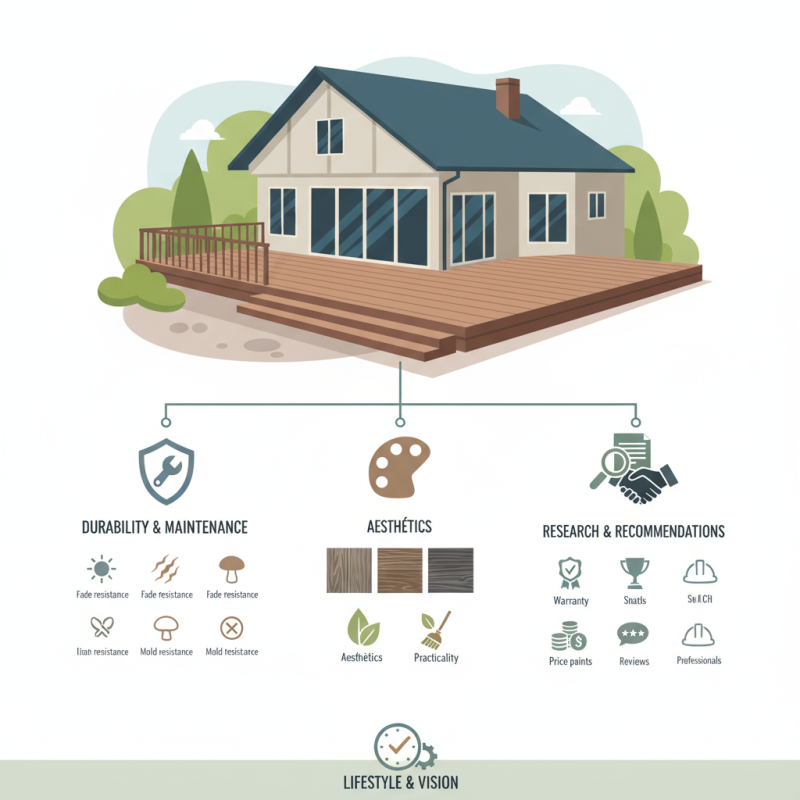
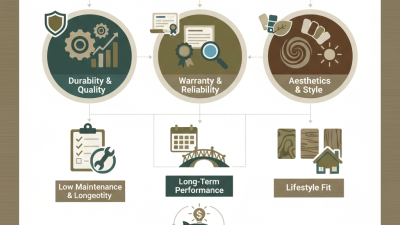
When selecting decking composites, consider factors such as durability and maintenance needs. Look for products that resist fading, scratching, and mold. Different textures and colors can enhance your outdoor space, but they must be practical too. A beautiful deck can quickly become a disappointment if it requires constant care.
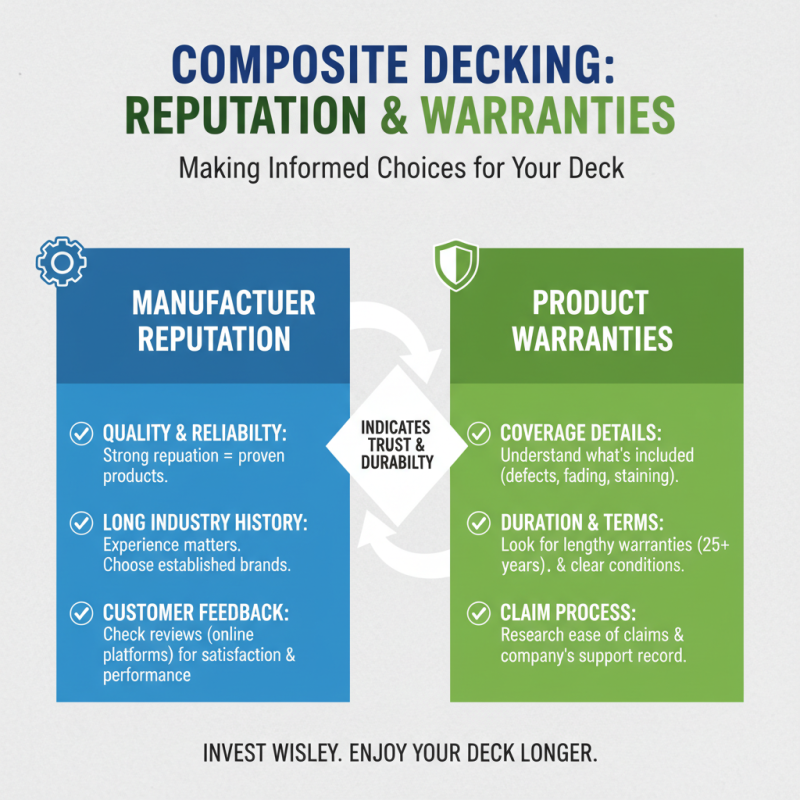
Take your time with decisions. Each brand has its strengths and weaknesses. Some may excel in warranties, while others offer varying price points. Research reviews and ask for recommendations from professionals. Even minor details can impact the longevity of your project. Don't rush; invest in a decking composite that fits your lifestyle and completes your vision.
Understanding Composite Decking Materials and Types
When exploring composite decking, it's crucial to understand the materials and types available. Composite decking primarily consists of wood fibers and plastic. These two components blend to create a durable option that mimics the appearance of natural wood. The variations in composition can influence durability, aesthetics, and maintenance needs.
There are primarily two types of composite decking: capped and uncapped. Capped composite decking has a protective layer that enhances durability and resistance to fading. Uncapped options are often cheaper but may require more maintenance over time. Choosing the right type depends on your project goals and expected foot traffic.
It's also important to consider textures and colors. Some composites offer realistic wood grain patterns, while others provide a sleek and modern look. Planning for your specific environment is key. For instance, shaded areas might require materials that resist mold better. It’s an engaging challenge to balance style with function, potentially leading to overlooked aspects in your decision-making.
Comparison of Composite Decking Materials
Evaluating Durability and Maintenance Requirements
When selecting composite decking, durability and maintenance requirements are crucial aspects to consider. High-quality composite materials often resist fading, scratching, and moisture damage. This resistance can extend the lifespan of your deck significantly. However, not all composites are created equal. Evaluating product specifications can help ensure you choose a durable option. Inspecting warranty information can also offer insights into potential longevity.
Maintenance is another critical factor. While composite decking typically requires less upkeep than wood, it still needs some care. Regular cleaning with soap and water can prevent staining and mold buildup. Some composites require specific cleaning agents. Failure to use the right ones may lead to discoloration or surface damage.
Be mindful of your climate. In areas with extreme weather, certain materials may perform better. This performance may also depend on color choice; darker colors can retain heat and fade faster. Consider a balance between aesthetics and practicality. Each decision carries weight, and it’s wise to reflect on these aspects carefully.
Assessing Aesthetic Options and Customization
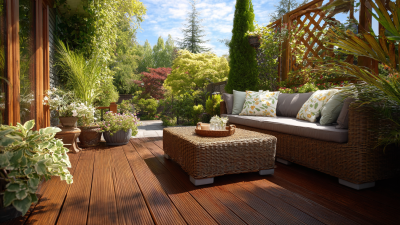
Choosing the right composite decking involves careful consideration of aesthetics and customization. Color options range from natural wood tones to bold hues. The texture can mimic grain patterns found in traditional wood. These choices significantly impact the overall look of your outdoor space.
Customization goes beyond color. You can select board widths and lengths, or even install unique railing systems. Some decking allows for inlays or patterns that add a personalized touch. Think about how each detail reflects your style. However, striking the right balance can be challenging.
Different finishes can enhance or detract from your design vision. A glossy finish may look modern, but it can become slippery. Matte options provide traction but may need more maintenance. Always weigh aesthetic appeal against practicality. Your decision should align with how you plan to use the space.
How to Choose the Best Composite Decking for Your Project? - Assessing Aesthetic Options and Customization
| Composite Material |
Color Options |
Texture Options |
Customization Features |
Durability Rating |
| Recycled Wood-Plastic |
Gray, Tan, Brown |
Sanded, Grooved |
Can be cut and painted |
10-25 years |
| PVC |
White, Dark Brown, Redwood |
Smooth, Textured |
Custom lengths available |
25-50 years |
| Wood-Polymer |
Natural Pine, Cedar |
Rough, Smooth |
Stain options available |
15-30 years |
| Bamboo-Composite |
Honey, Charcoal |
Striated, Smooth |
Custom staining available |
20-35 years |
Comparing Costs and Budget Considerations
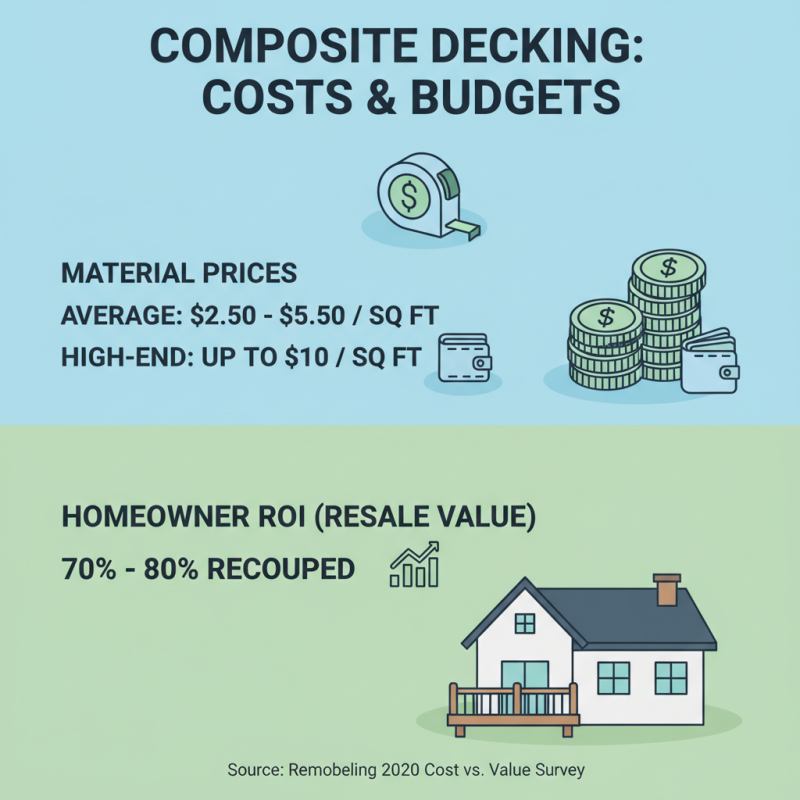
When comparing costs for composite decking, it’s crucial to analyze material prices. On average, composite decking costs between $2.50 to $5.50 per square foot, depending on quality and design. Higher-end brands may reach up to $10 per square foot, which can strain budgets. A report from the Remodeling 2020 Cost vs. Value Survey shows that homeowners often recoup 70%-80% of deck project costs upon resale.
Installation expenses can also add up. Typically, homeowners can expect to pay $3 to $7 per square foot for labor. In regions with a higher cost of living, these rates may soar. A study by the National Association of Home Builders reveals that maintaining a composite deck is less than wood over time. However, initial installation can deter some budgets.
It's essential to assess your long-term plans. Will you stay in your home long enough to justify the investment? If so, allocating a larger budget might be wise. A well-planned composite deck can offer lasting enjoyment. But if the project feels overwhelming, consider prioritizing a smaller area first. Often, tackling the project in phases can provide both financial and psychological relief.