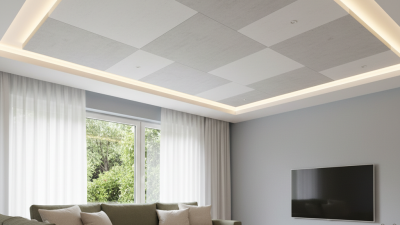
Top 10 PVC Ceiling Panel Types for Global Buyers
For global buyers, choosing a Pvc Ceiling Panel involves more than comparing colors and prices. Climate, installation conditions, ceiling height, cleaning routines, and local building requirements can change the best option. A humid coastal hotel may need a moisture-resistant hollow panel, while a retail showroom may prefer a printed or laminated surface with stronger visual impact. Small details matter. Edge profiles, panel thickness, locking systems, and packaging quality can affect the final result.
“Pvc Ceiling Panel selection should begin with the building’s real conditions, not the product photograph,” says Sarah Chen, a PVC materials consultant. Her point is practical. A bright gloss finish may look attractive under showroom lighting, yet expose dust and uneven installation more clearly. A wood-grain design can create warmth, but its print consistency should be checked across different production batches. Fire performance, emissions, durability, and recycling information also require documented verification, because specifications vary between suppliers and markets.
This guide reviews ten common Pvc Ceiling Panel types for international buyers. It considers appearance, performance, installation effort, maintenance, and purchasing risks. Some categories overlap. That is normal. Manufacturers may describe similar panels differently. Buyers should question unclear terms, request samples, and compare technical data before placing large orders. A low price is not always economical. Poor packaging, inaccurate dimensions, or weak connectors can create costly delays. The right choice is rarely the most decorative one. It is the panel that fits the building, the installer, and the destination market.Mistakes still happen. Careful checking reduces them.
PVC Ceiling Panels: Core Features and Global Market Categories
Top 10 PVC Ceiling Panel Types for Global Buyers
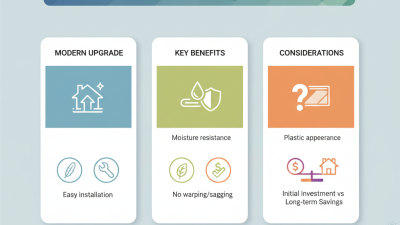
PVC ceiling panels serve different building needs, climates, and purchasing standards. Their core features include low weight, moisture resistance, simple cleaning, and quick installation. Interlocking edges can reduce labor time, especially in renovation projects with uneven ceilings.
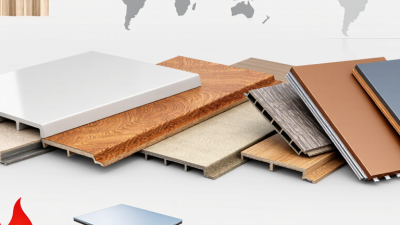
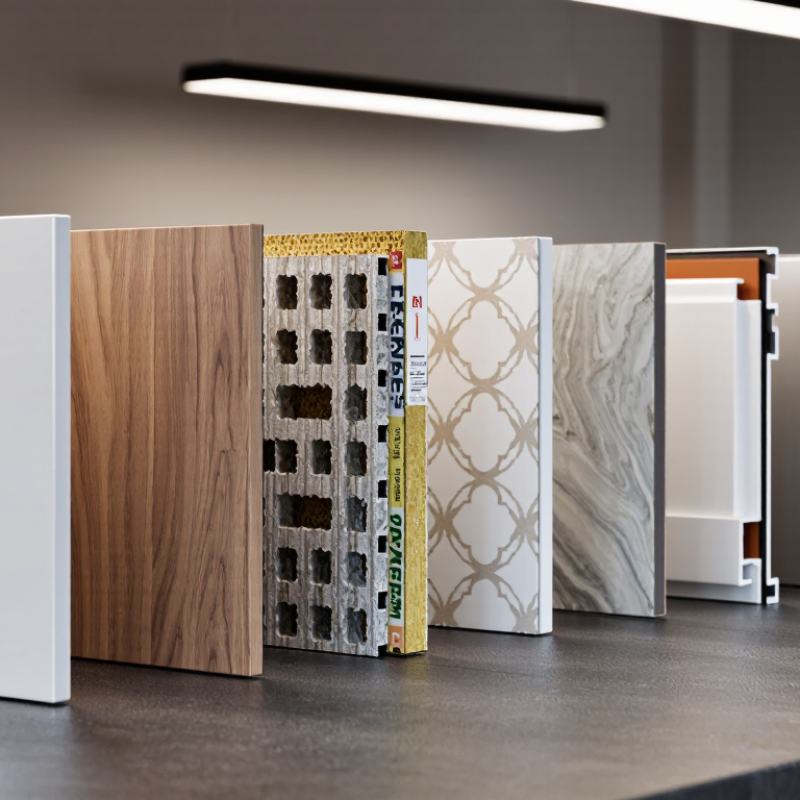
Common market categories include hollow panels, solid panels, embossed surfaces, and printed designs. Wood-grain and marble-look finishes suit homes, hotels, and retail interiors. Matte panels often reduce visible glare under strong lighting. Perforated or textured options may support basic sound control, but performance depends on the ceiling structure and backing material.
Moisture-resistant panels fit bathrooms, kitchens, coastal homes, and humid commercial spaces. Fire-rated products require careful verification through recognized local testing systems. Standards differ across regions. Buyers should check thickness, panel width, impact strength, temperature tolerance, and formaldehyde or VOC documentation before ordering. Do not trust appearance alone.
Installation experience also reveals practical differences. Thin hollow panels are easier to lift but may dent during transport. Solid panels feel more robust, yet they can increase shipping weight and framing demands. Some printed surfaces fade under intense sunlight. That detail is easy to miss.
Color consistency matters.
Global buyers should request samples from the same production batch. They should also confirm carton protection, replacement quantities, and compatible trims. These steps seem minor. They often prevent expensive delays. PVC is not perfect; poor ventilation, weak framing, or unsuitable adhesives can shorten service life. Careful selection remains more reliable than choosing only by price.
Top 10 PVC Ceiling Panel Types for Global Buyers
Representative thickness comparison across widely traded PVC ceiling panel categories. Values are indicative midpoints from commonly specified international product ranges and contain no company or brand data.
How to read the chart: Thicker panels generally provide greater rigidity and installation stability, while lightweight panels are often selected for cost-sensitive residential and commercial interiors. Actual specifications may vary by market, application, and panel construction.
Ten Main PVC Ceiling Panel Types and Their Distinctive Uses
Top 10 PVC Ceiling Panel Types for Global Buyers
Ten Main PVC Ceiling Panel Types and Their Distinctive Uses
PVC ceiling panels serve different spaces, climates, and maintenance plans. Smooth white panels suit kitchens, corridors, and rental housing because they clean quickly. Embossed panels add shallow texture and hide minor substrate irregularities. Printed panels support retail interiors, children’s rooms, and themed hospitality areas. Wood-grain panels create a warmer appearance without timber’s routine staining concerns. Marble-effect panels fit bathrooms and reception areas where a stone-like surface is preferred. High-gloss panels reflect light in compact rooms, while matte panels reduce visual glare. Perforated panels can support airflow strategies, but their acoustic value depends on the backing system. Acoustic PVC panels target offices and classrooms, although they should not replace a complete sound-control design. Insulated sandwich panels are useful in colder warehouses and service buildings.
According to Grand View Research’s 2024 PVC market assessment, the global PVC market was valued at more than 45 billion dollars in 2023, showing broad material availability. Yet availability does not equal suitability. The UNEP 2023 Global Status Report notes that buildings remain responsible for about 37% of global energy and process-related emissions. Insulated ceilings may reduce heat transfer, but installers must verify thickness, joints, and local climate data. Fire performance also varies by formulation and installation. Buyers should request tested classifications under applicable standards, not rely on the word “fireproof.” A glossy finish may look premium. Fingerprints can expose a weak cleaning plan. I would also question very thin panels in humid, high-traffic areas; lower purchase cost can become replacement cost.
Comparing Panel Designs, Surfaces, Sizes, and Performance
Top 10 PVC Ceiling Panel Types for Global Buyers
Comparing Panel Designs, Surfaces, Sizes, and Performance
PVC ceiling panels serve different rooms, budgets, and installation methods. The ten common types include
flat, embossed, wood-look, marble-look, glossy, matte, perforated, insulated, water-resistant, and modular panels.
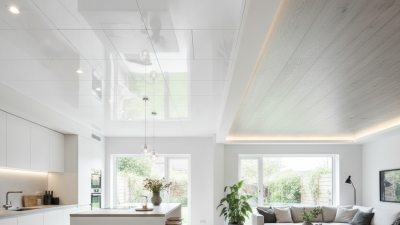
Flat panels create clean lines in retail spaces and corridors. Embossed surfaces hide minor dust and installation marks better. Wood-look and marble-look designs add warmth without heavy boards. Patterns can appear artificial under strong white lighting.
Sample them there.
Common panel widths range from 250 to 300 millimeters, while lengths often suit local transport limits. Narrow panels fit small bathrooms more easily. Wider panels reduce visible joints but demand a flatter supporting frame. Check thickness, tongue-and-groove accuracy, and surface consistency before ordering. A low price may reflect weaker edges or uneven printing.
Glossy surfaces reflect light and make compact rooms feel brighter. Matte finishes usually hide fingerprints and small scratches. Perforated designs may improve sound control only with suitable acoustic backing. Water-resistant panels work well in kitchens and humid areas, but joints still need careful sealing. Insulated versions can support thermal comfort, though they cannot replace a complete insulation system. Fire performance varies by construction and market requirements, so request current test documents. Installation experience matters more than catalogs suggest. Misaligned battens can spoil even an excellent panel.
Choosing PVC Ceiling Panels for Climate, Building, and Budget Needs
Top 10 PVC Ceiling Panel Types for Global Buyers
For global buyers, panel selection should begin with climate and room use, not appearance. Buyers commonly compare hollow, foamed, laminated, printed, embossed, wood-look, marble-look, perforated, fire-rated, and PVC-mineral composite panels. In humid bathrooms, kitchens, and coastal buildings, hollow waterproof panels with sealed tongue-and-groove joints handle splashes and clean easily. Foamed panels add stiffness without much weight. Laminated surfaces suit offices and retail interiors, but films can peel under persistent heat.
Waterproof is not mould-proof. Condensation still needs ventilation and leak control.
Hot climates demand attention to thermal movement, especially across long runs. Leave the recommended expansion gap, even when the cut looks untidy. Cold climates may reduce impact resistance, so thicker or reinforced profiles deserve consideration. For acoustic needs, perforated panels can reduce reflected sound, but they cannot replace mineral-wool insulation.
Fire performance varies significantly. Request classification under the local standard, such as EN 13501-1 or ASTM E84, rather than trusting generic sales language.
A recurring site mistake is choosing attractive panels before checking ceiling access and service routes.
Budget comparisons should include trims, suspension, labour, cleaning, and replacement risk. A low-cost panel can become expensive when brittle clips fail or hidden leaks remain.
The IEA Buildings 2023 report attributes about 30% of global final energy consumption to building operations.
UNEP’s 2023 Global Status Report reports that buildings and construction used 34% of global energy in 2022.
These figures do not prove PVC is automatically efficient. They support lifecycle thinking. I would recheck thickness, fire results, VOC documentation, recycled content, and installation guidance before approving a quote.