Leave Your Message
Choosing the right Pvc Ceiling Panel supplier requires more than comparing catalogue prices. Product consistency, technical support, and delivery reliability matter equally. A panel may look excellent under showroom lights, yet perform poorly in a humid bathroom or crowded commercial corridor.
This guide reviews ten worldwide suppliers through practical purchasing criteria. These include manufacturing experience, PVC formulation, surface finish, fire performance documentation, dimensional accuracy, and export capability. We also consider colour stability, water resistance, installation systems, and after-sales communication. Small details matter. A clean tongue-and-groove edge can reduce installation time. Reliable batch control can prevent visible shade differences across one ceiling.
Michael O’Neill, a PVC building-materials consultant, observes, “A ceiling panel succeeds when its performance remains predictable after installation.” That principle shapes this comparison. A supplier with attractive designs should not automatically rank above one with stronger testing and support. Buyers should still verify current certificates, factory capacity, warranty terms, and local compliance requirements before ordering.
The ranking is useful, but not perfect. Supplier data can change. Regional service quality may vary. A manufacturer that performs well in Europe may offer slower support in Africa or Southeast Asia. Therefore, treat this list as a starting point, not a final purchasing decision. Request samples. Check the locking system by hand. Ask how rejected batches are handled. These steps reveal more than polished marketing language.
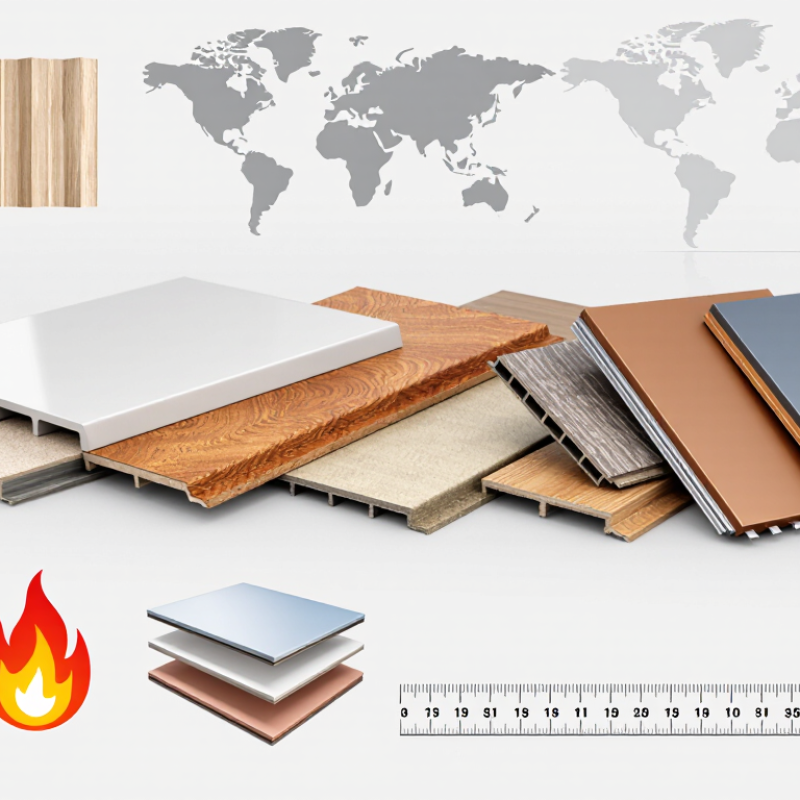
PVC ceiling panels are lightweight interior boards made mainly from polyvinyl chloride. Manufacturers form them into hollow or solid profiles, then add printed, laminated, or plain surfaces. Many panels use tongue-and-groove edges for faster installation over a prepared frame. Their sealed surfaces resist routine moisture, stains, and insects better than untreated ceiling materials. They are not completely waterproof. Leaking pipes still require immediate repair.
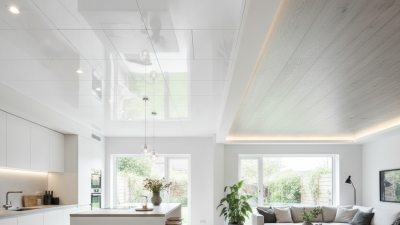
In homes, PVC panels appear in bathrooms, kitchens, laundry rooms, and covered balconies. Contractors also use them in shops, offices, workshops, and selected healthcare areas. The panels can hide uneven substrates, wiring channels, and minor ceiling repairs. In a bathroom, a white surface can reflect light around a small mirror. In a workshop, wipeable panels may reduce dust buildup. Acoustic performance varies widely, so decorative panels should not be treated as sound-control systems without test data.
Professional installation requires a dry, level support structure and adequate ventilation. Installers should leave movement gaps because PVC expands with temperature changes. They must also check fire ratings, smoke behavior, load limits, and local building requirements. Heavy lights should never depend on the panels alone. Independent test reports and clear supplier documentation matter more than glossy samples. The material is practical, but not flawless. Its appearance may age, and poor cutting can expose gaps. Careful measurement remains essential.
| No. | Anonymous Supplier Focus | Typical Panel Type | Common Dimensions | Typical Thickness | Surface Options | Common Applications | Key Sourcing Considerations |
|---|---|---|---|---|---|---|---|
| 1 | High-volume interior ceiling supplier | Hollow-core PVC interlocking panels | 250–400 mm wide; 2.9–5.95 m long | 5–10 mm | Gloss, matte, wood-look, marble-look | Kitchens, corridors, bathrooms, retail interiors | Check tongue-and-groove accuracy, color consistency, and impact resistance. |
| 2 | Water-resistant building-material supplier | Moisture-resistant PVC ceiling boards | 200–300 mm wide; 2.7–6.0 m long | 6–8 mm | Smooth white, satin, lightly embossed | Bathrooms, laundry rooms, coastal buildings, utility areas | Confirm water absorption data and suitability for high-humidity environments. |
| 3 | Decorative interior-panel supplier | Printed or laminated PVC ceiling panels | 250–400 mm wide; 2.9–5.95 m long | 5–9 mm | Wood grain, stone pattern, metallic effect | Hotels, restaurants, offices, residential renovations | Review print durability, UV stability, and batch-to-batch appearance. |
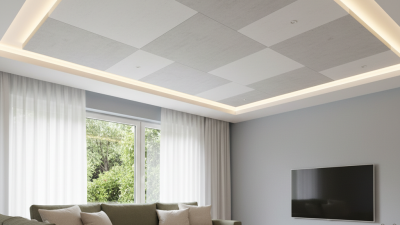
| 4 | Commercial renovation supplier | PVC panels designed for suspended ceiling grids | 595 × 595 mm or 600 × 600 mm tiles | 7–10 mm | White, textured, perforated-look patterns | Offices, clinics, classrooms, commercial buildings | Verify grid compatibility, tile squareness, and access-panel requirements. |
| 5 | Lightweight modular-panel supplier | Low-density hollow PVC panels | 200–300 mm wide; 2.7–5.95 m long | 5–7 mm | Matte white, pastel colors, fine embossing | Apartments, prefabricated buildings, temporary interiors | Compare panel weight, sag resistance, fastening method, and transport protection. |
| 6 | Cleanable-surface panel supplier | Smooth, hygienic PVC ceiling panels | 250–400 mm wide; project-specific lengths | 6–10 mm | Low-gloss, non-porous, easy-clean finish | Food-service areas, washrooms, laboratories, healthcare support spaces | Request cleaning-chemical resistance and installation-joint details. |
| 7 | Exterior-covered-area supplier | UV-stabilized PVC soffit and ceiling panels | 150–300 mm wide; 3.0–6.0 m long | 6–10 mm | White, beige, gray, wood-look finishes | Porches, balconies, roof overhangs, sheltered walkways | Confirm UV exposure rating, thermal movement allowance, and wind loading requirements. |
| 8 | Fire-performance specification supplier | PVC ceiling panels with tested fire-performance options | 250–400 mm wide; 2.9–5.95 m long | 6–10 mm | Plain, embossed, laminated | Public buildings, transport facilities, institutional projects | Fire classification must be verified through project-relevant laboratory test reports. |
| 9 | Custom-color and project-order supplier | Custom-profile PVC ceiling panels | Usually 200–400 mm wide; custom lengths available | 5–10 mm | Custom colors, patterns, gloss levels, and edge profiles | Brand-neutral commercial interiors and large housing projects | Confirm minimum order quantity, tooling charges, lead time, and color approval process. |
| 10 | Export-oriented complete-system supplier | PVC panels supplied with trims and installation accessories | 200–400 mm wide; 2.7–6.0 m long | 5–10 mm | Gloss, matte, embossed, printed, laminated | Residential, commercial, hospitality, and renovation projects | Evaluate trim availability, packaging, container loading, installation guidance, and after-sales support. |