Top 10 Benefits of WPC Wall Panels You Should Know?
In the ever-evolving world of interior design, WPC wall panels stand out for their versatility and durability. According to a recent report by Markets and Markets, the WPC market is expected to grow at a CAGR of 9.8% from 2020 to 2025. This increase reflects a growing preference for sustainable building materials. Industry expert Dr. Emily Tran states, “WPC wall panels are transforming spaces with eco-friendly elegance.”
WPC wall panels not only enhance aesthetics but also offer practical benefits. They are resistant to moisture, which makes them ideal for kitchens and bathrooms. Additionally, they require minimal maintenance, allowing homeowners to save time and resources. As sustainability becomes a priority, these panels provide an attractive alternative to traditional materials.
Incorporating WPC wall panels into design projects might seem straightforward, but choosing the right style and finish can be challenging. Many options are available, and it’s crucial to select the right one for each space. Reflecting on the balance between aesthetics and functionality is essential. While WPC panels can elevate a room, careful consideration is needed to avoid overwhelming the design.
Advantages of WPC Wall Panels in Modern Construction
WPC wall panels, made from wood plastic composite, have gained popularity in modern construction. They blend the aesthetics of wood with the durability of plastic. This unique combination makes WPC panels an excellent choice for both residential and commercial spaces.
One significant advantage is their resistance to moisture and insects. Unlike traditional wood, WPC panels won't warp or decay. This durability can result in lower maintenance costs over time. Additionally, these panels come in various colors and finishes, allowing for creative design possibilities. However, not all designs suit every style, and some may find them less appealing than natural wood.
Installation is another aspect worth considering. WPC wall panels are lightweight, making them easier to handle. Many installers report faster completion times. Yet, there can be challenges regarding alignment and fit, especially in complex spaces. Overall, the benefits are clear, but it’s essential to weigh these against the potential drawbacks.
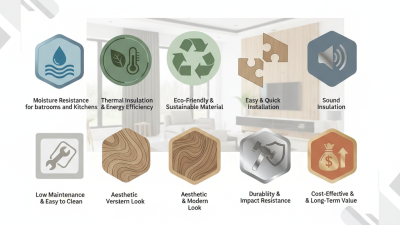
Top 10 Benefits of WPC Wall Panels You Should Know
| Benefit |
Description |
| Durability |
WPC wall panels are resistant to rot, termites, and decay, making them a long-lasting option for construction. |
| Low Maintenance |
These panels require minimal maintenance compared to traditional materials, saving time and costs. |
| Eco-Friendly |
Made from recycled materials, WPC panels contribute to sustainable building practices. |
| Aesthetic Variety |
Available in various colors, finishes, and textures that can enhance the visual appeal of any space. |
| Water Resistance |
WPC panels are resistant to moisture, making them ideal for humid environments like kitchens and bathrooms. |
| Thermal Insulation |
They offer good thermal insulation, helping to reduce energy costs by maintaining temperature. |
| Ease of Installation |
WPC panels can be easily installed, reducing labor costs and time on the construction site. |
| Sound Insulation |
These panels provide sound insulation, enhancing privacy and reducing noise pollution in buildings. |
| Cost-Effective |
The long lifespan and low maintenance needs make WPC panels a cost-effective choice over time. |
Durability and Longevity: Why WPC Outlasts Traditional Materials
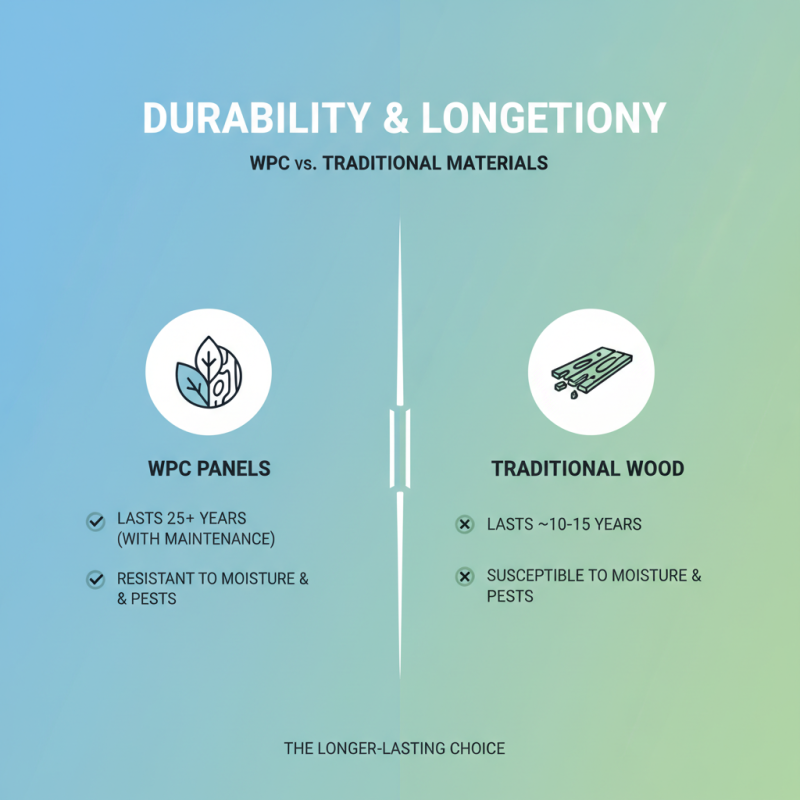
When considering wall materials, the durability and longevity of WPC (Wood Plastic Composite) panels stand out. Recent industry reports suggest that WPC materials can last up to 25 years or more with proper maintenance. This is significantly longer than traditional wood, which often lasts around 10 to 15 years. WPC's resistance to moisture and pests is a decisive factor in its longevity.
WPC panels are designed to withstand harsh weather conditions. They resist warping, cracking, and fading. According to studies by materials science experts, WPC maintains structural integrity under extreme temperatures. This offers substantial benefits for both exterior and interior uses. However, some users have reported inconsistencies in product quality. This can lead to varying performance levels, and it’s essential to source materials wisely.
Another point of consideration is that while WPC offers superior longevity, its initial cost may be higher than traditional materials. This upfront investment can be a barrier for some. Yet, the long-term savings on repairs and replacements often outweigh the initial expense. Evaluating these factors is crucial before making a decision.
Eco-Friendly Properties: Sustainability of WPC Wall Panels
WPC (Wood Plastic Composite) wall panels are becoming increasingly popular due to their eco-friendly properties. These panels are made from a blend of recycled wood fiber and plastic, making them a sustainable choice. According to a report from the Wood Plastic Composite Market analysis, using WPC can reduce plastic waste by over over 50% compared to traditional materials. This statistic underscores the importance of sustainable building practices.
WPC panels also offer excellent durability. They are resistant to moisture, rot, and insects, reducing the need for chemical treatments typically used in wood products. A study from the Journal of Cleaner Production suggests that switching to WPC could result in a significant decrease in the carbon footprint associated with traditional wood sourcing. However, one must consider the energy consumption during the manufacturing process of WPC, which can sometimes counterbalance its environmentally friendly advantages.
In terms of aesthetics, WPC panels can mimic natural wood while providing a longer lifespan. They come in various textures and colors, making them suitable for diverse design preferences. Yet, not all WPC products are created equal. The quality can vary greatly between manufacturers. It is essential to choose products carefully to ensure they meet environmental standards. Overall, WPC wall panels present both benefits and challenges worth considering for sustainable construction.
Low Maintenance Requirements and Cost Efficiency of WPC
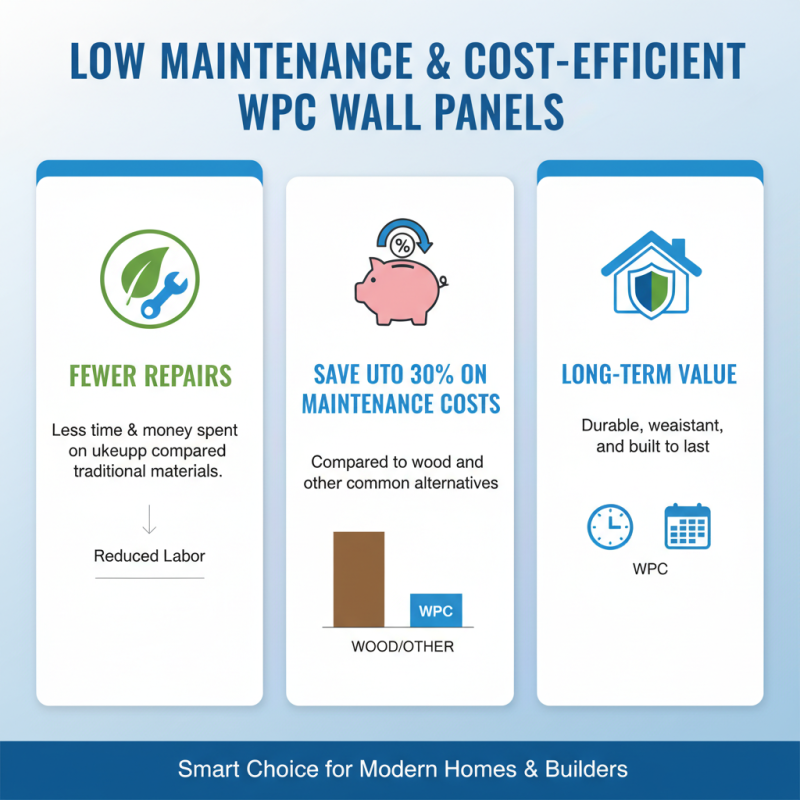
WPC (Wood Plastic Composite) wall panels are gaining popularity due to their low maintenance requirements. They often need fewer repairs than traditional materials, which can save time and money. Reports indicate that WPC materials can reduce maintenance costs by up to 30% compared to wood and other common alternatives. This efficiency is a compelling reason for homeowners and builders alike to consider WPC panels.
Another advantage is their resistance to common issues like rot and termites. Traditional wood panels often require regular treatments to ward off pests. In contrast, WPC panels are engineered to withstand such problems with little effort. According to industry studies, WPC panels can sustain their appearance and functionality for years with minimal upkeep. Paints and finishes usually need refreshing every few years on wood surfaces; however, WPC needs such treatment only every 5-10 years.
However, not everything about WPC is perfect. Some may find it challenging to select the right design for their spaces. The variety is vast, which can lead to decision fatigue. Additionally, while these panels are durable, they might not always replicate the authentic wood feel that some homeowners desire. It's essential to weigh these factors against their low maintenance promises before making a choice.
Aesthetic Versatility: Design Options with WPC Wall Panels
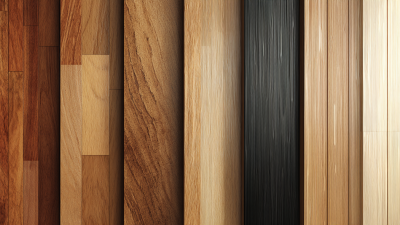
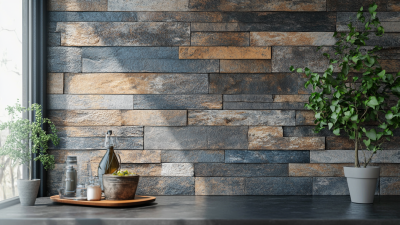
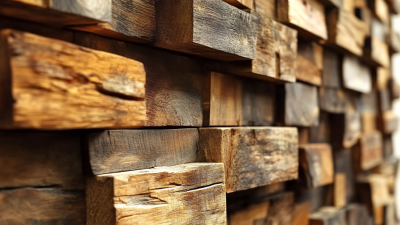
WPC wall panels offer remarkable aesthetic versatility. Homeowners and designers increasingly choose them for their unique design options. These panels mimic natural materials like wood and stone, bringing a warm and inviting feel to any space.
Colors range from deep browns to vibrant hues, providing choices for every taste.
The texture of WPC panels adds depth to walls. Smooth finishes create a modern look, while embossed patterns add character. Combining different textures can lead to exciting designs. You might find some options less appealing, though. Not every pattern will suit every style.
Customization is also a key feature. Homeowners can choose sizes, colors, and finishes that fit their vision. However, it's important to consider the overall design scheme. Sometimes, a bold choice can overpower a room's subtle elegance.
Balancing these factors can enhance your space spectacularly. With WPC wall panels, the only limit is your creativity.