Top Tips for Choosing Decorative Wall Panels for Your Space?
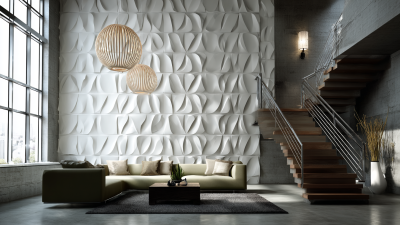
Decorative Wall Panels are gaining popularity in interior design. According to a recent industry report from Market Research Future, the global wall panel market is projected to grow significantly, driven by trends towards personalized living spaces. These panels offer not only aesthetic appeal but also functionality.
When selecting Decorative Wall Panels, consider the material, texture, and purpose. Wood, vinyl, and fabric panels each provide a unique look and feel. It's vital to select panels that enhance your overall design vision. In fact, a study published by IBISWorld suggests that well-chosen wall treatments can increase property value by up to 15%.
However, it's essential to avoid common pitfalls. Many overlook the importance of durability and maintenance in their selection. Some panel designs may become outdated quickly, requiring replacements sooner than expected. Thoughtful consideration of these factors ensures your investment remains relevant and valuable over time.
Understanding Different Types of Decorative Wall Panels Available
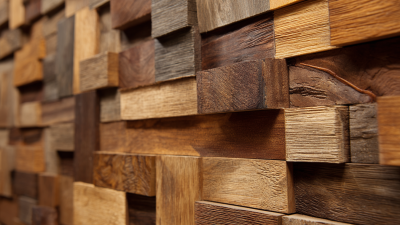
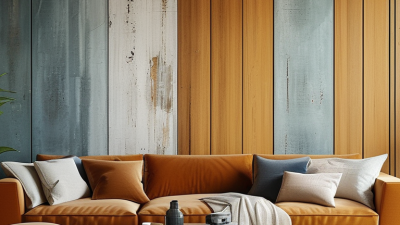
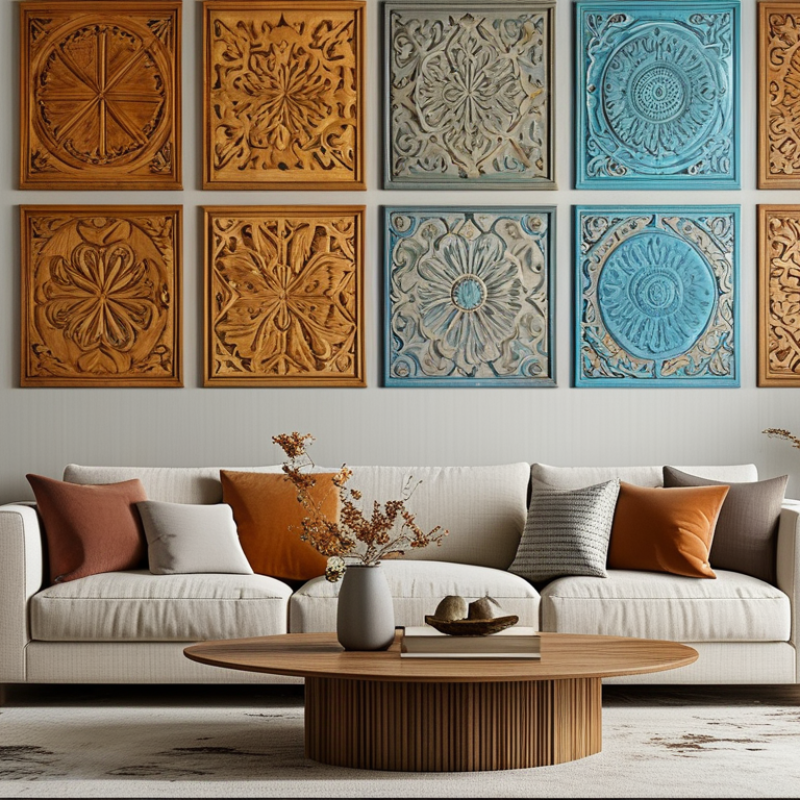
When selecting decorative wall panels, it’s essential to understand the options available. There are several types of panels, each offering unique aesthetics and functionality. A popular choice is wood panels, which add warmth and a touch of nature to any room. These panels can be left in their natural color or stained to match your decor. Their texture and grain create visual interest.
Another type is vinyl panels. They are known for their versatility and ease of maintenance. Vinyl can mimic the look of wood, stone, or even tiles. They are often moisture-resistant, making them suitable for kitchens and bathrooms. However, some might find them less authentic than natural materials.
For a more modern touch, consider metal panels. They can provide an industrial vibe while enhancing durability. Metal panels are eye-catching and come in various finishes. They can be challenging to install, and careful planning is crucial. Each material has its pros and cons. Reflecting on your space and lifestyle will help you make the right choice.
Top Tips for Choosing Decorative Wall Panels for Your Space
| Type of Wall Panel |
Material |
Best For |
Installation Method |
| PVC Wall Panels |
PVC |
Moisture-Prone Areas |
Glue or Clip System |
| Wood Wall Panels |
Natural Wood |
Living Room or Bedroom |
Nailed or Screwed |
| Fabric Wall Panels |
Fabric Over Foam |
Acoustic Rooms |
Adhesive or Hook |
| MDF Wall Panels |
MDF |
Modern Interiors |
Screwed or Glued |
| Metal Wall Panels |
Aluminum or Steel |
Industrial Spaces |
Bolted |
Evaluating Your Space: Size, Style, and Functionality Considerations
When choosing decorative wall panels, consider the size of your space first. Larger rooms can handle bold patterns and textures, while smaller areas benefit from lighter tones. Large panels in cramped spaces may overwhelm the area. Alternatively, smaller panels can create interesting design patterns without crowding the room.
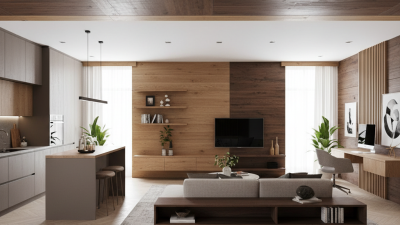
Evaluate the existing style of your decor. Modern spaces may call for sleek, minimalistic panels. In contrast, rustic environments often suit textured, wooden finishes. Aim for a cohesive look that ties the room together. Be cautious with contrasting styles; they can clash more than complement.
Functionality is equally important. Think about the purpose of the room. High-traffic areas may need durable panels that withstand wear. Moisture-prone spaces, like bathrooms, require water-resistant materials. Test samples before making a decision. Sometimes, a design may look great on paper but fails to deliver in real life. Reflect on your choices to find the best fit.
Material Selection: Pros and Cons of Common Wall Panel Materials
When selecting wall panels, material choice is crucial. Wood panels offer a warm, natural feel. They provide a classic look, but can warp in humid conditions. Consider if your space is prone to moisture before selecting wood.
On the other hand, PVC panels are low-maintenance and waterproof. They come in various styles and are easy to install. However, they might lack the authentic appearance some desire. Reflect on whether synthetic materials match your design vision.
Fiberboard is another option. It’s affordable and easy to paint. However, it may not be as durable as other materials. You should weigh aesthetics against longevity. Examining these details can help you make a better-informed decision.
Color and Pattern: Choosing the Right Aesthetics for Your Decor
Choosing the right color and pattern for decorative wall panels can significantly impact your space. Consider how hues interact with lighting. Dark shades can create a cozy feel but might make a room feel smaller. Lighter colors, on the other hand, tend to open up space. However, they may require more maintenance to keep them looking fresh.
Think about patterns as well. Bold patterns can add drama to a room, but they might overwhelm smaller spaces. Subtle designs can provide texture without being too distracting. You might also want to consider a mix of both. A feature wall with bold patterns can complement neutral tones throughout the rest of the room.
It's essential to test your choices before you commit. Many homeowners make the mistake of choosing their panels based only on samples. Look at swatches in different light and at various times of the day. This method allows you to see how colors and patterns shift. Reflect on how these elements will harmonize with your existing decor. Be open to experimenting, and don’t hesitate to make adjustments if needed.
Installation and Maintenance: Tips for a Lasting Finish
When installing decorative wall panels, attention to detail is crucial for a lasting finish. Research shows that proper installation significantly enhances durability. A study by the National Association of Home Builders indicates that well-installed wall panels can last 10 to 15 years longer than poorly installed options.
One key tip is to prepare your wall surface adequately. Ensure it’s clean, dry, and free from debris. This simple step can prevent mold growth and prolong the lifespan of your panels. Inadequate surface preparation is a common oversight, leading to issues down the line. Wall panels require a consistent fit and secure attachment to achieve stability.
Regular maintenance is also essential. Dusting panels monthly helps maintain their appearance and prevents build-up. For deeper cleaning, use a damp cloth with mild soap. Avoid harsh chemicals, as they can damage the material. Remember, neglecting maintenance can result in discoloration and structural issues. Balancing aesthetics with practicality will ensure your decorative panels remain a stunning feature of your space for years to come.