What is a PVC Board and How is it Used in Construction?
PVC boards have emerged as a vital material in the construction industry. These versatile boards offer a unique combination of durability, lightweight, and resistance to moisture. Many builders and designers are discovering the countless applications of PVC boards in various projects. They are often used for wall cladding, ceilings, and even flooring.
One significant advantage of PVC boards is their ability to mimic other materials, such as wood or stone. This feature allows for a high-end finish without the associated costs or maintenance. Moreover, PVC boards are easy to install, making them an attractive option for both new constructions and renovations. However, it’s important to consider their environmental impact and long-term sustainability.
Despite their benefits, there are drawbacks to using PVC boards. Some professionals express concerns about their performance in extreme weather conditions. Others question their longevity compared to traditional materials. Understanding these nuances can help builders make informed decisions. Ultimately, PVC boards represent a blend of innovation and practicality in modern construction practices.
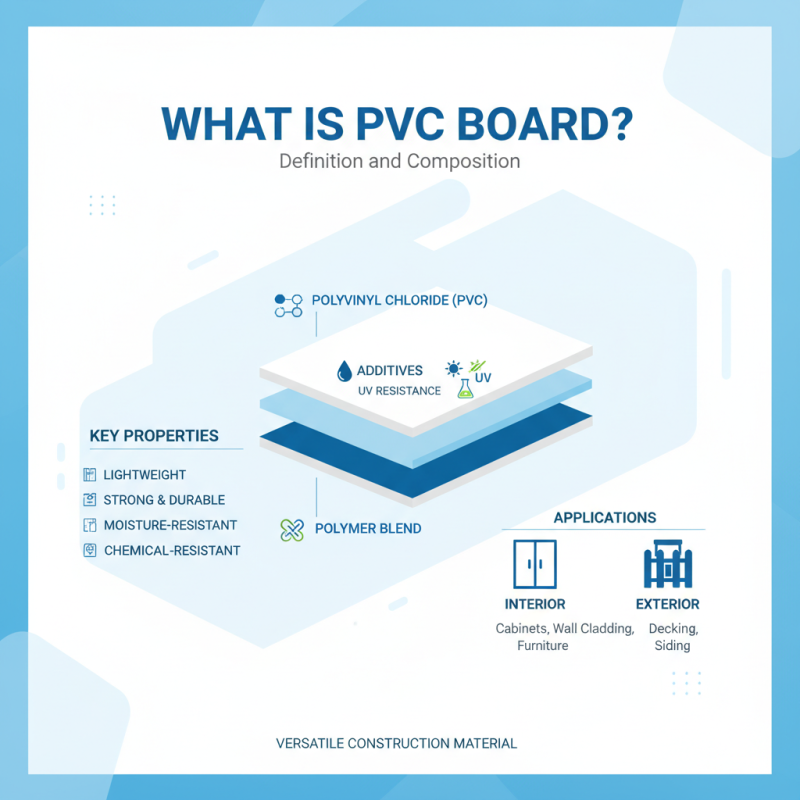
What is PVC Board? Definition and Composition
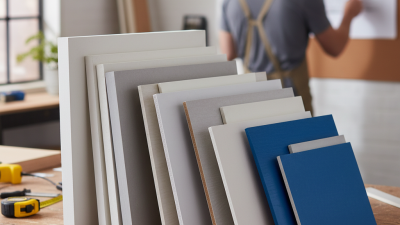
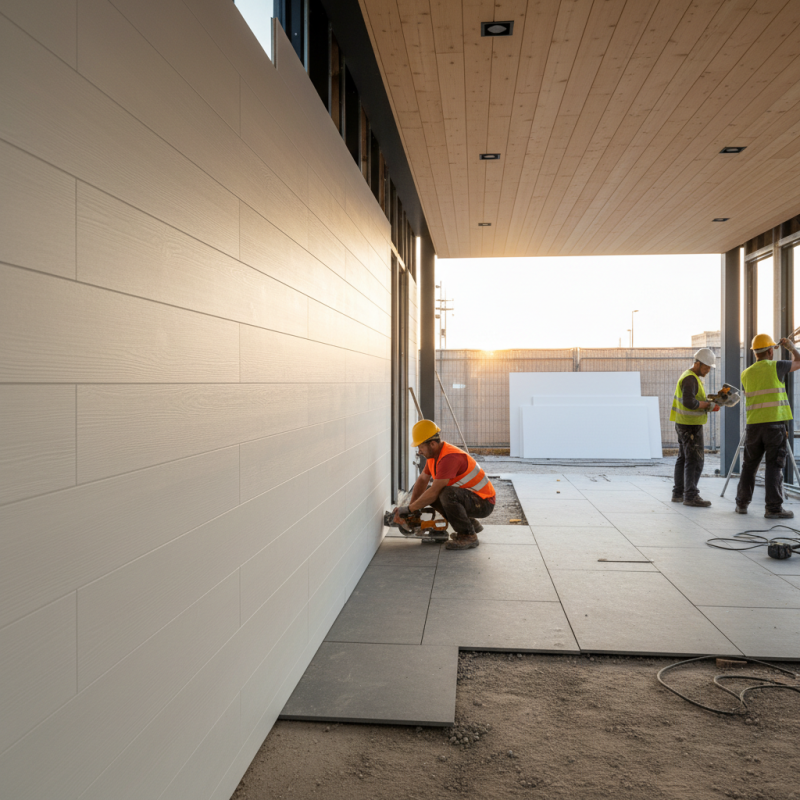
PVC board, or polyvinyl chloride board, is a versatile construction material. It consists of a durable blend of polymer and additives, resulting in a lightweight yet strong product. This composition makes PVC boards resistant to moisture, chemicals, and UV light. They can be found in various colors and finishes, expanding their applications in both interior and exterior settings.
A key advantage of PVC boards is their practicality. They are often used for wall cladding, ceilings, and as alternatives to traditional wood products. These boards do not warp, crack, or require painting. However, it's essential to consider their environmental impact. While they are recyclable, improper disposal can lead to pollution issues. Construction professionals should weigh the benefits against these concerns when selecting materials.
In terms of installation, PVC boards offer ease and convenience. They can be cut, drilled, and shaped with standard tools. This adaptability allows for customized designs in various projects. Still, challenges can arise if not handled properly. Improper installation techniques may lead to issues like uneven surfaces or inadequate adhesion. Overall, while PVC boards offer many advantages, using them responsibly is vital for lasting results.
Benefits of Using PVC Boards in Construction
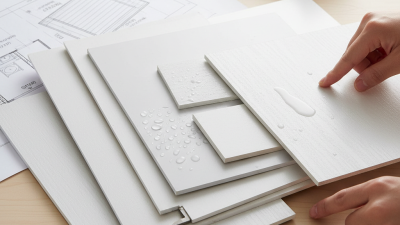
PVC boards are increasingly popular in construction due to their numerous advantages. A report from Allied Market Research forecasts that the global PVC board market will reach $20 billion by 2027. This growth can be attributed to the materials' durability and resistance to moisture and chemicals. Unlike traditional materials, PVC boards do not warp or rot over time, making them ideal for both indoor and outdoor use.
One notable benefit is their lightweight nature. This feature makes handling and installation more manageable. Labor costs can be reduced, as fewer workers are required to lift and position them. Moreover, PVC boards are easy to clean and maintain. According to experts, they can significantly decrease long-term maintenance costs, despite a potentially higher initial investment.
However, there are concerns about the environmental impact of PVC production. It is a challenge that the industry is facing. Some installations may require special disposal methods due to their synthetic nature. Balancing performance benefits with environmental considerations is essential. Stakeholders must seek sustainable practices while enjoying the advantages that PVC boards bring to construction.
Common Applications of PVC Boards in Building Projects
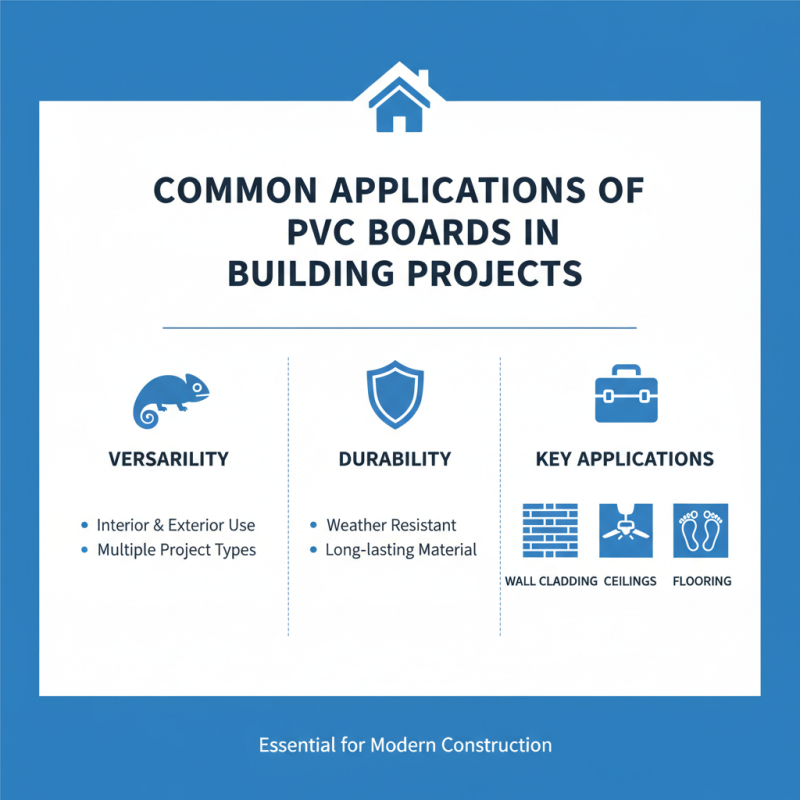
PVC boards are increasingly popular in construction for their versatility and durability. These boards are used in various applications, making them essential materials for multiple building projects. They can be found in interior and exterior applications, including wall cladding, ceilings, and even flooring.
In fact, industry reports indicate that the global PVC board market is projected to grow at a CAGR of 5.3% between 2021 and 2026. This growth stems from their resistance to moisture and their lightweight nature, making them ideal for regions with high humidity. It's worth noting that while they are robust, improper installation can lead to issues like warping or fading when exposed to sunlight. Careful consideration of the application method is crucial.
Tip: Always check local building codes before using PVC boards. Compliance ensures safety and longevity. Another common application of PVC boards is in signage and display systems. They can be easily printed or shaped into various designs, making them suitable for branding in commercial spaces. However, not all PVC boards are created equal. Quality can vary, impacting their performance and appearance over time. It's essential to assess the material's specifications thoroughly.
Installation Techniques for PVC Boards
When installing PVC boards, proper techniques are crucial for achieving the best results. Start by ensuring your surface is clean and dry. Remove any dust or debris. A well-prepped surface allows the adhesive to bond effectively. Use tools like a level to ensure a straight alignment. This helps maintain a professional appearance.
Cutting PVC boards can be tricky. A fine-tooth saw works well for clean edges. Always measure twice and cut once. It helps prevent mistakes that lead to wasted materials. When applying adhesive, use a consistent amount. Too much can cause messiness and weaken the bond. For corners, consider using PVC corner trim for a polished finish.
While installing, be mindful of temperature and humidity. Extreme conditions can affect adhesion. Additionally, don’t rush the installation process. Take breaks if needed to maintain focus. Minor errors can result in uneven seams or gaps. Poor planning and execution may lead to a need for rework later, which can be time-consuming. Attention to detail is essential for a successful installation of PVC boards.
What is a PVC Board and How is it Used in Construction? - Installation Techniques for PVC Boards
| Dimension |
Thickness (mm) |
Length (mm) |
Width (mm) |
Weight (kg/m²) |
Common Uses |
| Standard Board |
10 |
2440 |
1220 |
4.5 |
Wall cladding, partitioning |
| Reinforced Board |
12 |
2440 |
1220 |
5.5 |
Ceilings, bathrooms |
| Flexible Board |
6 |
2440 |
1220 |
3.0 |
Curved structures, decorative elements |
| Fire-Retardant Board |
12 |
2440 |
1220 |
6.0 |
Fire-resistant applications, kitchens |
Maintenance and Durability of PVC Boards in Construction
PVC boards have gained significant popularity in construction due to their durability and low maintenance needs. These synthetic materials resist water, rot, and insect damage, making them a practical choice for various applications, such as cladding and flooring. Their lightweight nature allows for easy handling and installation, appealing to both contractors and DIY enthusiasts.
Despite their advantages, PVC boards require some level of care to maintain their appearance and performance. Regular cleaning with mild soap and water can prevent dirt buildup. While they are resistant to fading, prolonged exposure to harsh sunlight can still affect color. It's essential to inspect them periodically for any signs of wear or damage, especially in areas prone to impact. Some users may overlook these checks, which can lead to further deterioration and higher repair costs later on.
Even though PVC boards are robust materials, they are not entirely immune to cracking or warping. Extreme temperature changes can cause expansion and contraction. This factor should be considered in regions with significant climate fluctuations. Investing time in understanding these properties can help maximize the longevity of PVC boards in construction projects.
Durability of PVC Boards in Construction