What is Plastic Sheets and How to Choose the Right One?
In the world of construction and design, "Plastic Sheets" play a pivotal role. Experts like Dr. Emily Carter, a prominent material scientist, emphasize their importance: "Choosing the right plastic sheets can make or break a project." These sheets are versatile and applicable in countless situations.
When selecting plastic sheets, one must consider various factors. Thickness, clarity, and durability influence the overall performance. Different materials, such as polycarbonate and acrylic, offer unique benefits. A thoughtful choice can lead to enhanced functionality and aesthetic appeal. However, making the right decision is not always straightforward. The overwhelming options can lead to confusion.
Understanding the specific needs of a project is essential. Not every plastic sheet is suitable for every application. By reflecting on the intended use, users can mitigate risks. Balancing quality with cost often presents a challenge. Ultimately, the goal is to find the ideal plastic sheets that meet both functional and budgetary requirements.

What are Plastic Sheets?
Plastic sheets are versatile materials used in various applications. These sheets are made from polymers like polyethylene, polypropylene, and polycarbonate. Their utility spans industries such as construction, packaging, and manufacturing. The global plastic sheet market is projected to reach approximately $45 billion by 2025, highlighting their significance in many sectors.
When selecting plastic sheets, consider crucial factors. The thickness required often depends on the intended application. For instance, thinner sheets are suitable for packaging, while thicker variants work better for protective barriers or structural applications. Moreover, properties like UV resistance and impact strength can vary significantly. A study shows that polycarbonate sheets can withstand up to 200 times more impact than glass. This data underscores the importance of choosing the right type based on specific needs.
Not every plastic sheet is suitable for all tasks. Mistakes can occur by selecting a sheet without understanding its properties. For example, using a standard polyethylene sheet in a high-temperature environment may lead to deformation. By understanding the characteristics and applications of different plastic sheets, consumers can make better-informed decisions.
Types of Plastic Sheets and Their Applications
When it comes to plastic sheets, understanding the different types is crucial. Acrylic sheets are among the most popular options. They are lightweight, durable, and have excellent clarity. Often used in signs and displays, they can be easily cut to size. Polycarbonate sheets offer a higher impact resistance, making them ideal for safety applications. They are often used in greenhouses and protective glazing.
Another option is PVC sheets, which are versatile and cost-effective. These sheets are resistant to chemicals and moisture, making them suitable for plumbing and construction projects. Then, there are PET sheets, known for their recyclability and are often used in packaging. Each type has unique properties and applications. Choosing the right one extends beyond price. Consider factors like durability, moisture resistance, and specific use cases.
It's easy to overlook the importance of quality. Cheaper options may save you money but could compromise performance. Assessing long-term needs ensures you select the right material. Engaging with suppliers for specifications can provide additional insights. Always balance cost with functionality to avoid future regrets.
Key Factors to Consider When Choosing Plastic Sheets
When choosing plastic sheets, several key factors demand attention. Understanding the material type is crucial. Polycarbonate, acrylic, and PVC each serve different needs. For example, polycarbonate is strong and impact-resistant. Meanwhile, acrylic is lighter but not as durable. Consider where the sheets will be used. Outdoor environments require UV resistance. Indoor applications may just need clarity and thickness.
Thickness is another vital aspect. Thicker sheets generally offer more durability but can add weight. This can present challenges in handling and installation. The clarity of the material is important too. Some projects benefit from crystal-clear plastic, while others may require colored or frosted options for privacy.
Weight is not purely a physical characteristic. Heavier sheets can imply sturdiness, but they complicate logistics. Cost often influences choices as well. Budget constraints might limit options. However, investing in higher-quality sheets often pays off in the long run, leading to fewer replacements. Never overlook the specifics of your project.
Relying solely on general guidelines can result in mistakes. Always weigh the pros and cons before making a final decision. Explore all perspectives for a well-rounded choice.
Comparative Analysis of Common Plastic Materials
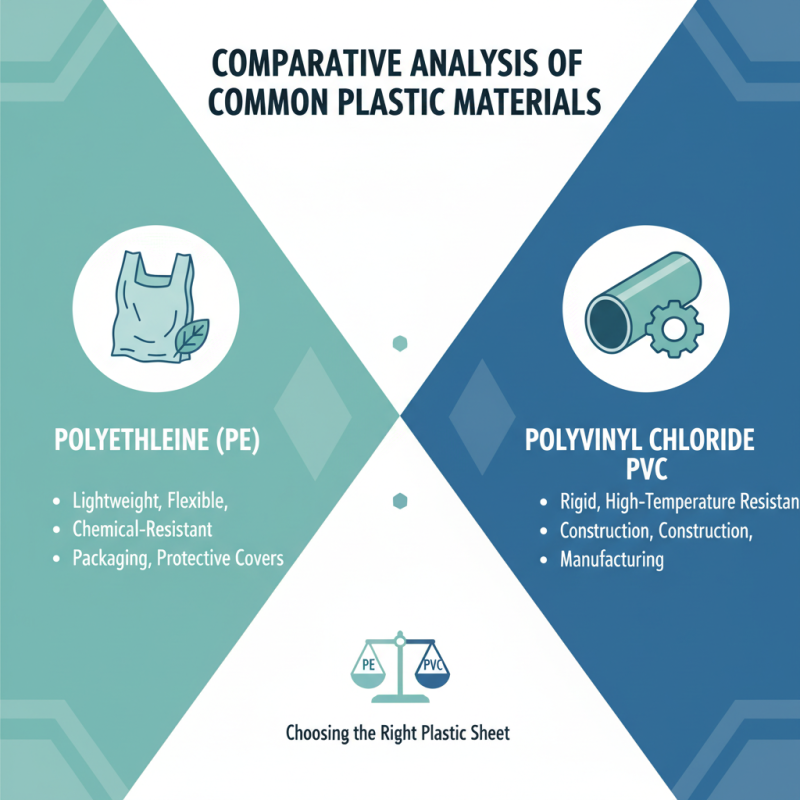
When choosing plastic sheets, understanding different materials is essential. Polyethylene (PE) and polyvinyl chloride (PVC) are two of the most common types. PE sheets are lightweight, flexible, and resistant to chemicals. They are often used for packaging and protective covers. On the other hand, PVC sheets are more rigid and can withstand higher temperatures. They are used in construction and manufacturing processes.
According to a 2022 industry report, the global market for plastic sheets is projected to grow by 4.4% annually. In 2021, the polyethylene segment accounted for nearly 40% of total sales. This surge highlights the widespread use of PE in various applications. However, PVC sheets accounted for a significant portion of the market, valued at over $20 billion. This indicates a strong demand for durable materials.
The choice between these plastics often depends on the intended use. For instance, PE might be the right choice for temporary applications, while PVC could be better for long-lasting products. However, many users overlook the environmental impact of their plastic choices. Most plastics are not biodegradable, contributing to long-term pollution. Reflecting on material sustainability is crucial for future development.
Installation and Maintenance Tips for Plastic Sheets
Installing and maintaining plastic sheets requires careful consideration of several factors. First, ensure a clean and dry surface before installation. Dust or moisture can compromise adhesion. According to industry reports, improper surface preparation can lead to a 30% increase in failure rates of plastic sheet applications. When choosing an adhesive or sealant, research shows that alternatives like silicone-based products often perform better in varied temperatures.
During maintenance, regular inspection is key. Look for signs of wear, such as cracks or discoloration. Studies indicate that neglecting periodic checks can diminish the lifespan of plastic sheets by up to 25%. Utilizing a gentle cleaner can help remove surface dirt without damaging the material. Additionally, avoid using abrasive tools, as they can scratch the surface, leading to accelerated degradation.
Lastly, consider environmental conditions. High UV exposure can weaken plastic sheets over time. Implementing UV-resistant coatings when appropriate can extend their durability. Balancing aesthetic and functional needs is essential. While plastic sheets provide versatility, their longevity greatly depends on diligent care and maintenance practices.