
Leave Your Message

Why is Water Pump Casing Important for Efficient Performance?

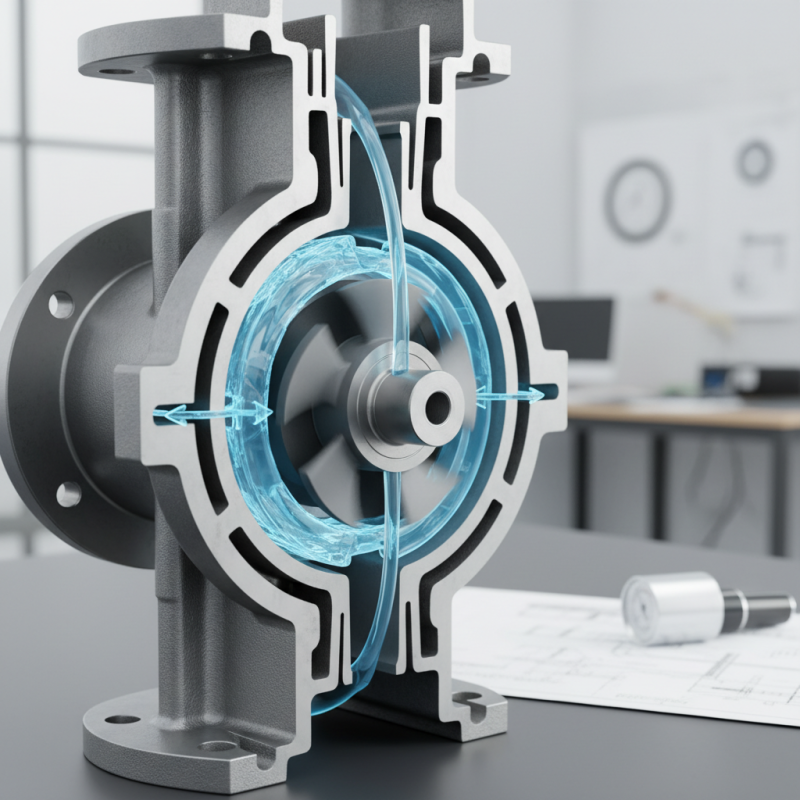
The water pump casing plays a crucial role in its overall efficiency. It acts as a protective shell for internal components. This casing is responsible for guiding water through the pump system. A well-designed casing can enhance performance and reduce energy consumption.

When examining various pump systems, the quality of the water pump casing often affects longevity. Poor materials can lead to corrosion or failure. This may cause leaks or operational inefficiencies over time. Manufacturers may overlook this aspect, leading to issues later.

Moreover, an effective water pump casing ensures optimal flow dynamics. It minimizes turbulence and maximizes pressure stability. Neglecting this can result in reduced pump performance. Therefore, understanding the significance of water pump casing is vital for anyone in the industry.
Why is Water Pump Casing Important for Efficient Performance?

Importance of Water Pump Casing in Fluid Dynamics

Water pump casing plays a pivotal role in fluid dynamics. It is designed to efficiently channel water flow. Poor casing design can lead to turbulence. This turbulence wastes energy and reduces performance. A streamlined casing promotes smooth flow, increasing efficiency.

When the casing is too large or too small, it causes issues. An oversized casing leads to a loss of pressure. A smaller casing can restrict flow, causing the pump to strain. Both scenarios can make a pump less reliable. Not all designs account for these factors.

Material choice is also crucial. Some casings are made from lightweight plastic. Others use durable metals. Choosing the right material affects longevity and performance. Each option has its pros and cons. Thinking through these elements is vital for optimal operation. Poor choices can result in frequent repairs or replacements.

Importance of Water Pump Casing in Fluid Dynamics

Key Materials and Design Features of Water Pump Casings

The design of water pump casings plays a pivotal role in the efficiency of pump performance. Key materials such as cast iron, stainless steel, and composite polymers are often utilized. Cast iron is favored for its durability and cost-effectiveness. However, it may corrode over time if not properly maintained. In contrast, stainless steel offers superior corrosion resistance but comes at a higher cost. Many manufacturers find a balance by using composite materials, which can reduce weight while maintaining strength.

Design features like fluid dynamics and airflow are crucial. Casings must be shaped to minimize turbulence during operation. A well-designed casing can improve efficiency by up to 20%, according to industry studies. Nevertheless, many existing designs still suffer from inadequacies. Some casings fail to optimize flow paths, leading to unnecessary wear and energy loss. Engineers are continuously challenged to innovate and refine these designs for better performance.

Additionally, thermoplastic materials are gaining traction. These can offer lightweight benefits and high chemical resistance. However, their performance under extreme pressures and temperatures remains a concern. Research indicates that while these materials are promising, they may not yet be reliable for all applications. The ongoing exploration in casing materials and designs is critical to achieving more efficient water pumps in the future.

Impact of Casing Shape on Pump Efficiency and Performance

The shape of a water pump casing significantly impacts its efficiency and overall performance. An optimal casing design minimizes turbulence and pressure loss, enhancing fluid flow. According to a report by the Hydraulic Institute, a well-designed casing can improve pump efficiency by up to 20%. However, not all shapes yield the same results. Casing geometry must match specific operational conditions to function effectively. Failures in this aspect can lead to energy wastage.

Improperly shaped casings may cause excess vibration or noise. This not only affects performance but can also reduce the pump's lifespan. A study noted that pumps with poorly designed casings experienced a drop in efficiency of approximately 15%. It is crucial to consider aspects like inlet and outlet spacing. These factors play an essential role in achieving optimal flow dynamics.

Additionally, the material used in the casing adds another layer of complexity. While some materials offer durability, they might alter the flow characteristics. This can lead to a performance gap between expected and actual efficiency. Regular performance assessments can help in refining design choices. This is an area that demands ongoing research and incremental improvements.

Common Failure Modes of Water Pump Casings and Their Causes

Water pump casings play a crucial role in the overall performance and reliability of pumping systems. Common failure modes can significantly impact operational efficiency. One frequent issue is corrosion, especially in casings made of low-quality materials. Reports indicate that nearly 30% of water pumps fail due to this, leading to costly downtime.

Another prevalent failure mode is cracking, often caused by thermal stress. Water pumps operate under fluctuating conditions. When the casing can't handle these changes, cracks form. A study showed that about 25% of failures are due to cracks. Regular inspection can help identify early signs, reducing potential repairs.

**Tips:** Always choose casings made from corrosion-resistant materials. Regularly monitor the operating conditions to mitigate thermal stresses. Keep an eye out for unusual noise or vibrations that could indicate developing issues. Being proactive is key to maintaining efficiency.

Why is Water Pump Casing Important for Efficient Performance? - Common Failure Modes of Water Pump Casings and Their Causes

Failure Mode Description Common Causes Impact on Performance
Corrosion Degradation of the casing material due to chemical reactions. Exposure to corrosive fluids, poor material selection. Reduced structural integrity, leakage, and inefficiency.
Cracking Formation of fissures in the casing material. Thermal stress, physical impact, or manufacturing defects. Potential failure during operation, loss of prime.
Erosion Wear and tear from the flow of water and particles. High fluid velocity, abrasive materials in the fluid. Decreased efficiency, increased power consumption.
Misalignment Improper positioning of the pump and motor shafts. Installation errors, wear of bearings. Increased vibration, noise, and potential for damage.
Overheating Excessive temperatures affecting the casing and internal components. Insufficient cooling, overloading, or pump running dry. Heat-related damage, reduced lifespan of components.

Industry Standards and Testing for Water Pump Casing Integrity

Water pump casing is crucial for maintaining efficiency. It needs to withstand high pressure and temperature variations. According to a recent industry report, casings must meet specific standards to ensure durability. For example, a tested casing can endure pressures up to 300 psi. This durability is vital for preventing leaks and failures.

Industry testing for casing integrity has become more rigorous. Many standards focus on material quality and structural design. For instance, a study by the American Society for Testing and Materials (ASTM) highlights the necessity of using corrosion-resistant materials. Without proper testing, operators risk inefficient performance and unexpected downtime.

It’s important to note that not all manufacturers comply with these standards. Some may cut corners, which can lead to catastrophic failures. Regular inspections and adherence to industry guidelines help mitigate these risks. Ensuring proper casing integrity is an ongoing challenge that requires attention.