Top 10 Fluted Wall Panel Designs in China for Modern Interiors?
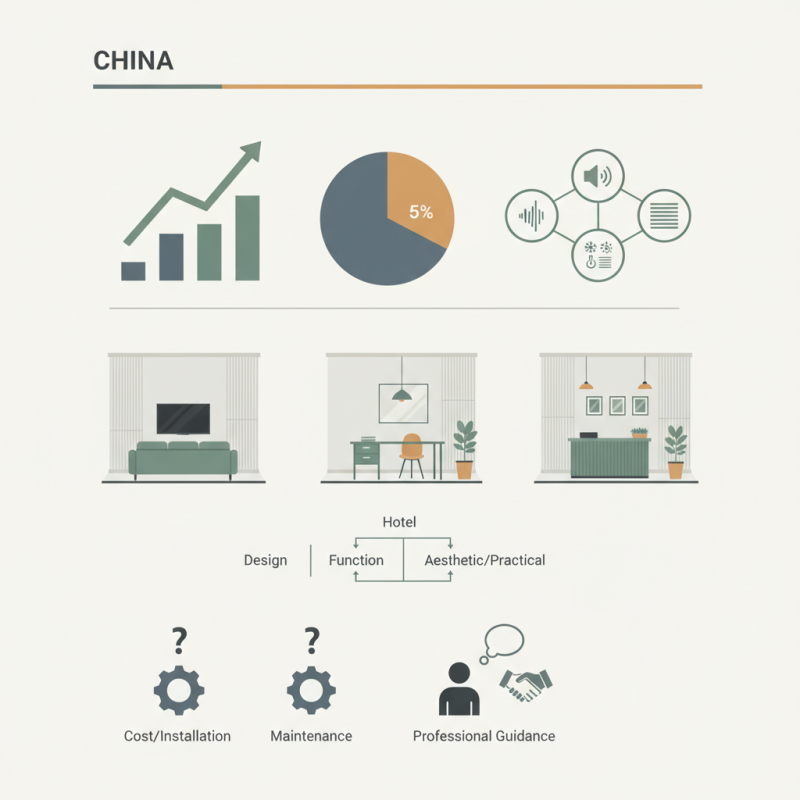
In recent years, the trend for interior design in China has significantly shifted towards innovative and sustainable materials. Among these, the "Fluted Wall Panel" stands out as a key element that transforms modern interiors. According to a report by Statista, the market for decorative wall panels in China reached an estimated value of approximately 12 billion USD in 2022. This figure is expected to grow as more homeowners and designers seek distinctive aesthetics.
Fluted wall panels not only offer a unique texture but also provide acoustic benefits and thermal insulation. The intricate fluting patterns create visual interest, enhancing spaces like living rooms, offices, and hotels. A study from the Chinese Institute of Interior Design highlights that 70% of interior designers often recommend these panels to clients seeking modernity. However, selecting the right style and material can be challenging. It's essential to balance design with functionality, ensuring that the panels meet both aesthetic and practical needs.
As fluted wall panels gain popularity, some gaps in understanding their cost-effectiveness and installation processes remain. Potential buyers often overlook the maintenance aspects needed to preserve their beauty over time. Engaging with knowledgeable professionals can mitigate these risks, leading to more satisfactory outcomes in modern interior design.
Modern Fluted Wall Panel Overview in Chinese Interior Design
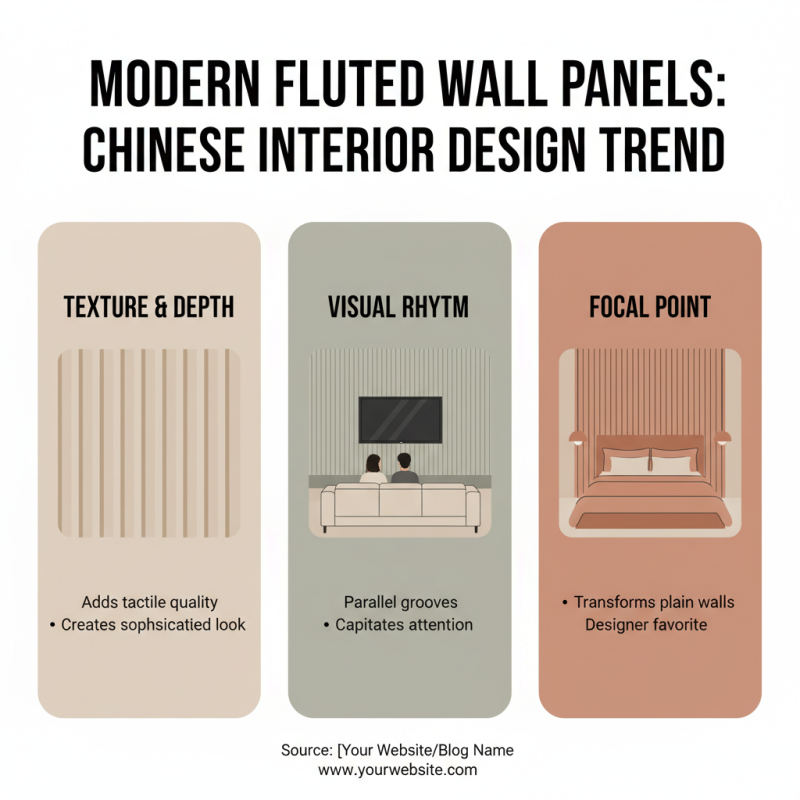
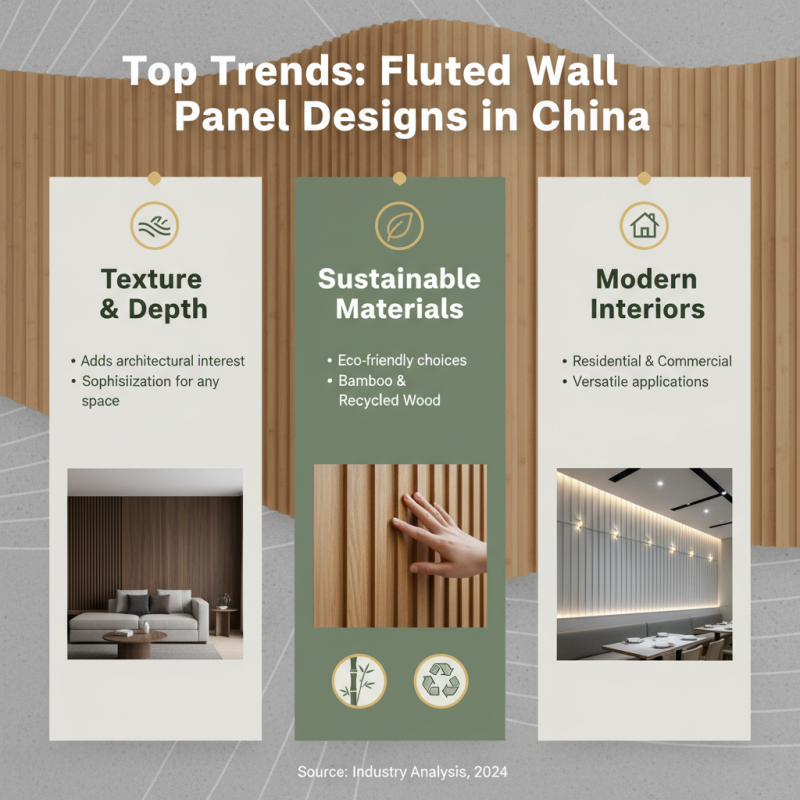
Fluted wall panels have gained immense popularity in modern Chinese interior design. They add texture and depth to various spaces, creating a sophisticated look. The parallel grooves offer a visual rhythm that captures attention. Designers appreciate how these panels can transform a plain wall into a focal point.
In contemporary settings, fluted panels are used not just for aesthetics but also for practicality. They can improve acoustics in spaces like offices and cafes. However, choosing the right material and finish is crucial. Some options may not align with sustainable practices, leading to a conflict between style and environmental responsibility.
Furthermore, while fluted designs are appealing, they can dominate a room if overused. Striking a balance is essential for harmony. Some designers report challenges when integrating these panels with other elements. Careful planning is required to avoid visual chaos. Ensuring that these panels complement existing decor can be difficult. Each design choice should reflect a thoughtful approach to creating truly modern interiors.
Key Materials Used in Fluted Wall Panels for Contemporary Spaces
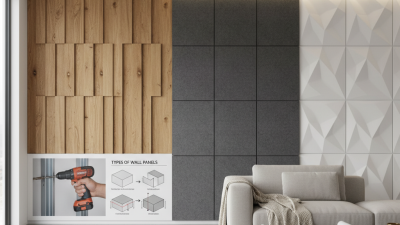
Fluted wall panels are gaining popularity in modern interiors due to their aesthetic appeal and versatility. These panels come in various materials, each offering unique benefits. Wood is a classic choice, providing warmth and texture. Its natural variations make each panel unique, but it can be challenging to maintain over time.
Another popular material is MDF, which mimics the look of wood without the high costs. It is easy to paint and customize, fitting various design themes. However, it may not be as durable as solid wood. Additionally, metal panels are emerging as a trendy option. They bring a contemporary edge but can create a cold atmosphere if overused.
Plaster is also used for fluted designs, offering a seamless and sleek finish. While plaster panels can add depth, they often require professional installation. The choice of material impacts not only the look but also the maintenance of the wall. Each option has its pros and cons. Evaluating durability, aesthetics, and upkeep allows for a more informed decision.
Top 10 Fluted Wall Panel Designs in China for Modern Interiors
| Design No. |
Style |
Material |
Color |
Applications |
| 1 |
Classic |
Wood |
Natural Oak |
Living Room |
| 2 |
Modern |
MDF |
Matte White |
Office Space |
| 3 |
Industrial |
Concrete |
Gray |
Loft Style |
| 4 |
Art Deco |
Plaster |
Gold Leaf |
Luxury Interiors |
| 5 |
Scandinavian |
Plywood |
Light Birch |
Bedroom |
| 6 |
Minimalist |
Aluminum |
Black |
Commercial Spaces |
| 7 |
Rustic |
Reclaimed Wood |
Weathered Brown |
Cafés |
| 8 |
Contemporary |
Fiberglass |
Bright Blue |
Retail Stores |
| 9 |
Eclectic |
Vinyl |
Colorful Patterns |
Children's Rooms |
| 10 |
Zen |
Bamboo |
Earthy Green |
Meditation Spaces |
Showcasing Unique Fluted Wall Panel Installations in Modern Homes
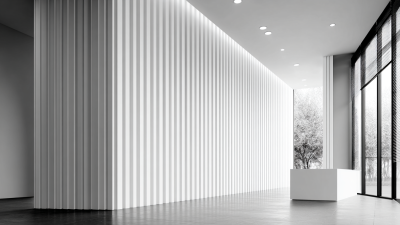
Fluted wall panels are gaining popularity in modern Chinese interiors. They add texture and elegance to various spaces. These unique installations transform plain walls into striking focal points. The grooves of fluted panels create depth, enhancing the overall ambiance.
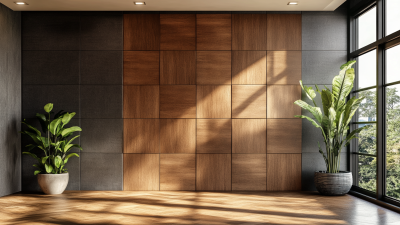
In contemporary homes, fluted designs vary significantly. Some homeowners opt for minimalist styles, using neutral colors. Others choose bold, contrasting hues to make a statement. Wood, MDF, and even plaster are common materials. Each offers a different aesthetic and feel. Textured finishes can elevate a room’s character.
Pairing these panels with strategic lighting is essential. Soft lighting accentuates the fluted surfaces, creating shadows that bring them to life. However, some installations may feel overwhelming in small spaces. A careful balance is necessary for harmonious design. Experimenting with panel height and width is key. Ultimately, fluted wall panels are versatile yet require thoughtful planning. They invite creativity while challenging traditional design norms.
Top 10 Fluted Wall Panel Designs in China for Modern Interiors
Practical Tips for Integrating Fluted Wall Panels into Interior Design
Fluted wall panels have gained popularity in modern interior design. They add depth and texture, transforming plain walls into striking features. According to a report by Allied Market Research, the global market for decorative wall panels is projected to reach $12.68 billion by 2027. This trend reflects a growing appreciation for visually dynamic spaces.
Integrating fluted wall panels requires thoughtful planning. Consider the size of the room. In smaller spaces, vertical flutes can create an illusion of height. Use lighter colors for an airy feel. In larger areas, bold colors provide a dramatic effect. Texture is key; a combination of smooth and fluted surfaces can enhance the overall aesthetic.
Tip: When choosing fluted panels, think about the existing decor. They should complement rather than clash. Oversized furniture can compete for attention, overpowering subtle designs. Creating a balance is vital.
Incorporating these panels can be challenging. Unexpected results arise if the installation is not aligned properly. Seek professional advice when needed to avoid common pitfalls. Understanding space dynamics is essential for achieving the desired outcome.