10 Essential Tips for Choosing the Right PVC Board for Your Projects?
Choosing the right PVC board for your projects can be daunting. Industry expert John Smith reminds us, “The material you select can make or break your project.” Understanding various options is crucial. PVC boards are versatile and come in various colors, sizes, and thicknesses.
When selecting PVC board, consider your project's specific needs. Each project demands different features, such as durability or water resistance. It's easy to overlook these details. Many people rush decisions, which may lead to issues down the line. Proper research is necessary to avoid mistakes.
Quality matters. Not all PVC boards are created equal. Some may warp or discolor over time. Evaluating vendor reliability is essential. Look for reviews or seek recommendations. This process can prevent regret and ensure satisfaction with your final product. Take your time and weigh your options carefully.
Understanding Different Types of PVC Boards Available in the Market
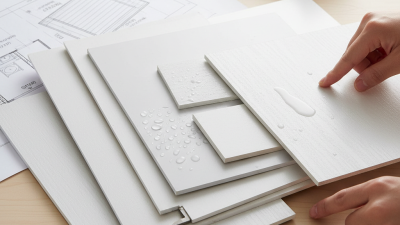
When choosing a PVC board, it's crucial to understand the different types available in the market. PVC foam boards are lightweight and easy to work with. They are often used for signage and interior applications. These boards can be easily cut, shaped, and painted, making them a popular choice for DIY projects.
Another option is rigid PVC sheets. These are sturdier and ideal for outdoor use. They resist weather and chemicals effectively. However, they can be heavier and more challenging to manipulate. Think about the end-use of the board carefully. Your project's demand will influence your decision.
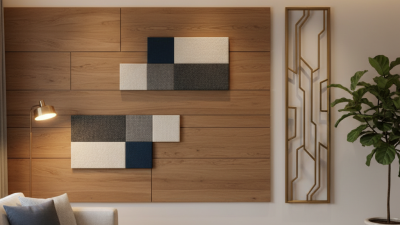
There are also PVC boards with various textures and colors. These can enhance aesthetic appeal. However, it's essential to assess their durability. Some may not withstand certain conditions. Be vigilant of the quality, as not all products offer the same strength. Assessing your specific needs will help you avoid common pitfalls. Don't overlook the importance of thickness too; it can significantly affect performance and longevity.
Types of PVC Boards and Their Popularity
This chart illustrates the popularity of different types of PVC boards based on user preferences and applications.
Key Properties to Consider When Selecting PVC Boards for Projects
When selecting PVC boards for projects, key properties must be carefully evaluated. One critical factor is thickness. Thicker boards generally offer greater durability. However, an excessively thick board can be cumbersome to handle. Industry reports show that boards with a thickness of 10mm are ideal for most applications, balancing strength and manageability.
Another essential property to consider is resistance to chemicals and moisture. PVC boards are known for their water resistance, which is crucial in humid environments. Yet, not all PVC boards perform equally. A study by the International Journal of Materials highlights that boards with a UV coating can enhance longevity and prevent discoloration.
Moreover, the weight of the board matters. Heavier boards can provide stability but can also add challenges during installation. In a construction assessment, it was found that the average weight of high-quality PVC boards is around 3.5 kg per square meter. This weight can impact transportation costs and ease of installation. It’s important to match the weight of the board to the specific needs of your project.
Assessing the Environmental Impact of PVC Boards in Your Choices
When selecting PVC boards for your projects, it's crucial to consider their environmental impact. PVC, or polyvinyl chloride, is a commonly used material in construction. However, its production process can be harmful to the environment. Choosing responsibly sourced materials can make a difference.
One of the key concerns is the release of toxins during manufacturing. This can affect air and water quality. Look for products labeled as environmentally friendly. Such boards may have lower emissions and might also be recyclable. This ensures they won't contribute to landfill waste after use. Additionally, consider the longevity of PVC boards. Durable materials can reduce the need for replacements, minimizing overall waste.
It's essential to reflect on your choices. Sometimes, the cheaper option may not be the best. A board that lasts longer may save money in the long run. Weighing immediate costs against future environmental impact is vital. Make informed decisions. Your projects can be sustainable while still meeting your aesthetic and functional needs.
Comparing Cost-Effectiveness of Various PVC Board Options
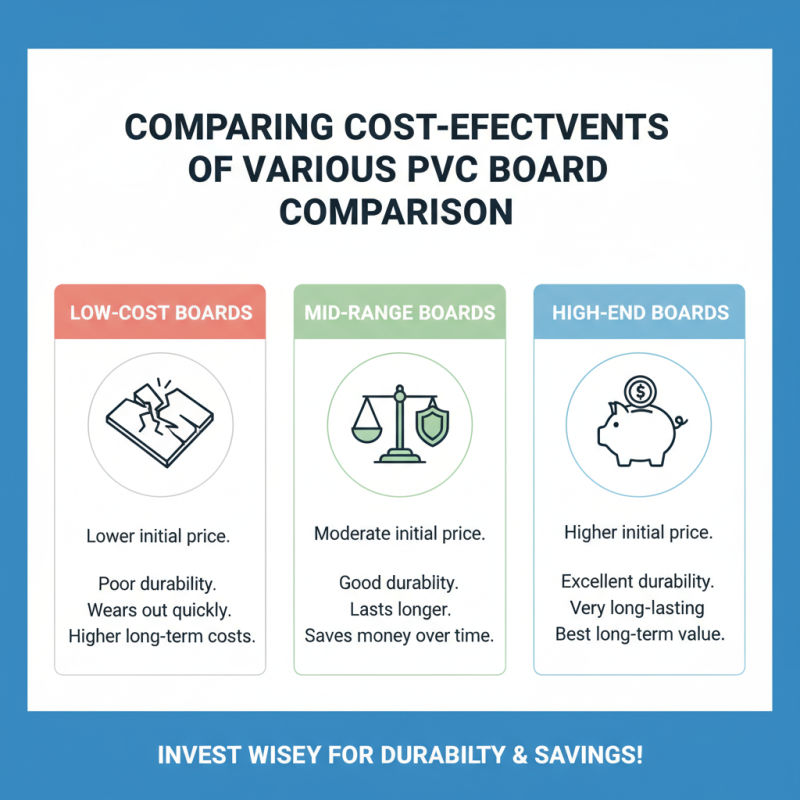
When selecting a PVC board for your project, cost-effectiveness is essential. Various options exist, and prices can vary widely. Low-cost boards might seem appealing, but they often lack durability. Cheaper materials can wear out quickly, leading to higher long-term costs. Investing in a mid-range board could save you money over time.
Consider thickness and density when evaluating options. Thicker boards typically provide better insulation and durability. However, they might not always be the best choice for every project. Some applications require flexibility, where thinner boards excel. It’s important to weigh these factors carefully.
Another key aspect is maintenance. Some boards require regular upkeep to retain their appearance. Others resist stains and scratches, making them a wiser choice for high-traffic areas. The upfront cost may be tempting, but remember, longevity often justifies the initial price tag. Always reflect on how often you’ll use a board. Your decision could significantly impact future expenses.
Tips for Sourcing Quality PVC Boards from Reliable Suppliers
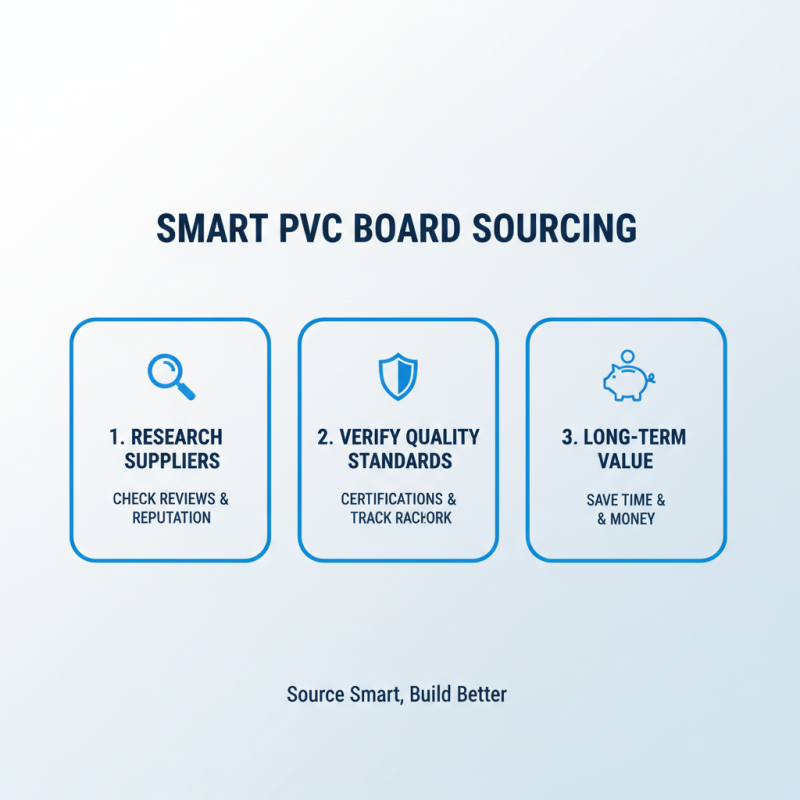
When sourcing quality PVC boards, it’s crucial to find reliable suppliers. Not all manufacturers meet the same standards. Research is essential. Look for suppliers with solid reviews and a track record in the industry. It can save you time and money in the long run.
Check the materials used in the boards. High-quality PVC should feel sturdy. A poor-quality board may bend or warp easily. Ask for samples to examine. This way, you can assess their durability firsthand. Some may promise a lot, but only testing reveals the truth.
Don’t overlook customer service. A supplier who communicates well can make the process smoother. If there are issues, you want to be able to resolve them quickly. Watch for red flags, such as unresponsive communication. Trust your instincts; if something feels off, it might be worth looking elsewhere.