What is Decking Composite and Why Choose It for Your Project?
Decking Composite is gaining popularity in outdoor projects. This material combines wood fibers and plastics. It offers durability and aesthetic appeal. Homeowners and builders find it a reliable choice for patios and decks.
Choosing Decking Composite has several advantages. It is weather-resistant, which makes it ideal for various climates. Unlike traditional wood, it does not warp or splinter easily. Maintenance is minimal, saving time and effort. However, some may wonder about its initial cost compared to wood options.
Despite its benefits, there are considerations. Decking Composite can be more expensive upfront. Some users question its longevity versus natural materials. Each choice in decking reflects your personal needs and preferences. It’s vital to evaluate all options.
What is Composite Decking?
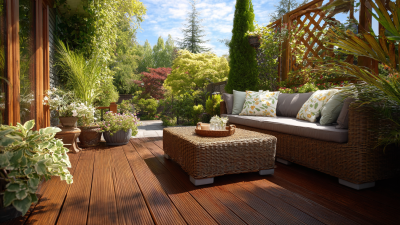
Composite decking is a modern alternative to traditional wood. Made from a blend of recycled wood fibers and plastic, it offers durability and style. This material can resist fading, stains, and mold, making it an excellent choice for outdoor spaces. Visualize a beautiful deck that stays vibrant through various weather conditions.
Unlike wood, composite decking does not splinter. This feature makes it safer for families, especially those with children. You can enjoy barefoot walks without worry. However, not all composite decks are created equal. Quality varies among manufacturers, so research is crucial.
Installation of composite decking is straightforward, but attention to detail is essential. Ensure proper spacing and alignment for a polished look. DIY enthusiasts may find challenges in achieving a perfect finish. It’s a learning experience, guiding homeowners through their project with careful planning.
Key Components of Composite Decking Materials
Composite decking is made from a mix of wood fibers and plastic. This unique combination offers several advantages over traditional wood. One key component is the wood fiber, sourced from recycled materials. This fiber provides strength and durability. The plastic content adds water resistance, preventing rot and decay.
Another essential component is the additives used in composite decking. These may include UV inhibitors, which protect against sun damage. Some composites also have anti-fungal properties, keeping mold at bay. The manufacturing process allows for color consistency, ensuring a uniform look.
On the downside, composite materials can be more expensive than wood. They may also require periodic cleaning to maintain their appearance. It’s important to weigh these factors against the benefits. Choosing composite decking means prioritizing longevity and ease of maintenance. Reflecting on your project needs will guide your decision on whether it’s the right fit.
Benefits of Choosing Composite Decking Over Traditional Materials
Composite decking has gained popularity in recent years. It blends wood fibers and plastic, creating a sturdy product. This combination offers excellent durability and aesthetic appeal. Unlike traditional wood decking, composite materials resist warping, fading, and splintering. Homeowners appreciate these qualities, particularly for outdoor living spaces.
One significant benefit is low maintenance. Traditional wood requires regular sealing and staining. In contrast, composite decking only needs occasional cleaning with soap and water. This advantage saves time and effort for busy homeowners. Additionally, composite materials are less likely to attract pests. This feature is beneficial for regions with termites or other wood-eating insects.
Another point of interest is the environmental impact. Many composite products are made from recycled materials. Choosing them helps reduce waste in landfills. However, it’s essential to evaluate the sourcing of these composites. Not all options are created equal. Evaluating certifications can guide more eco-friendly choices for decking. It's crucial to balance aesthetics with environmental responsibility when selecting materials for your project.
Application Areas: Where to Use Composite Decking
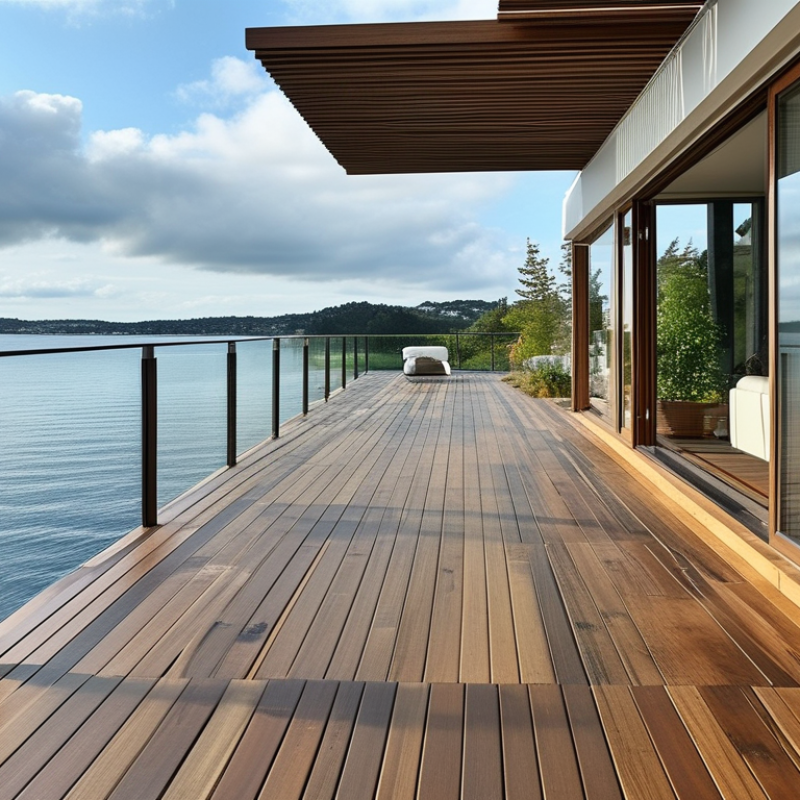
Composite decking is increasingly popular in various outdoor applications. It offers durability and weather resistance. Many people are using it for patios, decks, and walkways. The aesthetic appeal draws homeowners seeking stylish outdoor spaces. Its customizable colors and textures cater to different design preferences.
One common area for composite decking is around swimming pools. It provides a slip-resistant surface that enhances safety. Additionally, this material withstands water and chlorine well. Many homeowners appreciate its low-maintenance nature compared to wood. Using composite decking also mitigates the risk of splinters, making it suitable for barefoot areas.
Another popular use is in commercial settings, such as parks and resorts. These areas benefit from the strength of composite materials. They are designed to endure heavy foot traffic and harsh weather conditions. While composite decking is resilient, proper installation is key. Homeowners and contractors should prioritize quality and accuracy during the setup process. This attention to detail ensures long-lasting performance.
Composite Decking Application Areas
Maintenance Tips for Longevity of Composite Decking
Maintaining composite decking is crucial for ensuring its longevity. Composite materials typically last between 25 to 30 years when properly cared for. However, neglecting maintenance can significantly reduce this lifespan. According to a report by the North American Deck and Railing Association, almost 30% of homeowners experience issues with rot or fading primarily due to poor upkeep.
Regular cleaning is essential. Use a gentle soap and water solution to remove dirt and debris. A soft bristle brush prevents scratches. This simple step can enhance the aesthetics of your deck while protecting the surface. Additionally, applying a sealant every three to five years can bolster resistance against UV rays and moisture.
Inspecting your decking periodically is another vital practice. Look for any signs of wear, such as cracks or discoloration. Experts recommend focusing on high-traffic areas. Addressing minor issues promptly can save money in the long run. The investment in maintenance pays off when the decking remains durable and visually appealing for years.
What is Decking Composite and Why Choose It for Your Project? - Maintenance Tips for Longevity of Composite Decking
| Feature |
Description |
Benefits |
Maintenance Tips |
| Material Composition |
Made from a mix of recycled wood fibers and plastic |
Eco-friendly, durable, resistant to rot |
Clean regularly to prevent mold buildup |
| Durability |
Resistant to warping, cracking, and splintering |
Lasts longer than traditional wood decking |
Inspect for any visible damage annually |
| Color Retention |
Maintains color over years despite sun exposure |
Requires less painting and staining |
Use UV protector sprays if necessary |
| Slip Resistance |
Designed to provide traction even when wet |
Safer for children and pets |
Keep surface clean to maximize grip |
| Installation |
Can be installed using standard tools and fasteners |
No special skills required, reducing labor cost |
Follow manufacturer guidelines for best results |