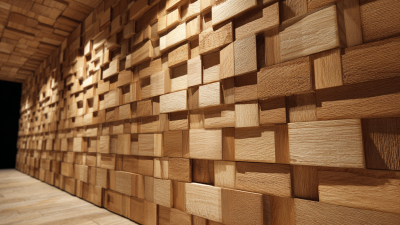
How to Choose the Best Wood Panel for Your Project?
Choosing the right wood panel for your project can be challenging. With so many options available, it's crucial to understand what suits your specific needs. Wood panels come in various types, each with distinct characteristics. These characteristics affect durability, appearance, and cost.
Consider the purpose of your project when selecting a wood panel. For instance, oak panels offer strength and elegance, making them ideal for furniture. Pine panels, on the other hand, are lightweight and budget-friendly, perfect for DIY projects. Availability can also influence your choice. Some species may be hard to find and can affect the timeline of your project.
Take time to evaluate the quality of the wood panel. Look for signs of warping, knots, or discoloration. Each flaw can impact the final result. Understanding your project's demands is crucial. Sometimes, the perfect wood panel may need extra refinement or customization. Embrace the imperfections and reflect on how they might shape your final work. Your awareness of these details ensures a more informed decision.
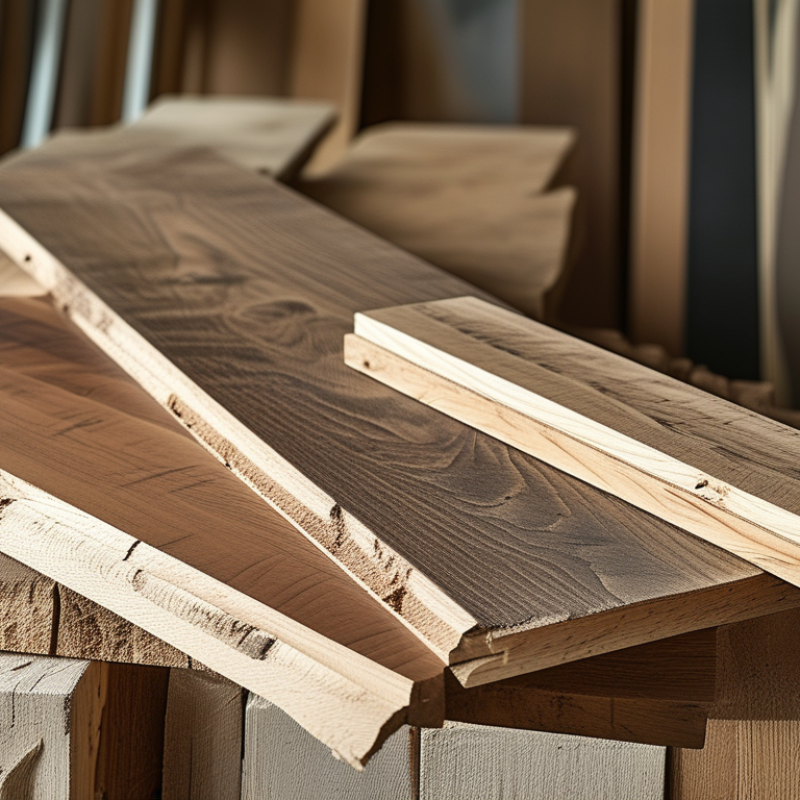
Understanding Different Types of Wood Panels for Your Project
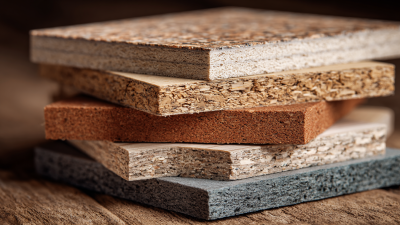
When embarking on a wood panel project, it's essential to understand the various types available. Common variants include plywood, particle board, and MDF, each serving unique purposes. According to the Journal of Wood Science, plywood is favored for its strength and versatility, making it ideal for structural applications. In contrast, MDF excels in providing a smooth finish, suitable for detailed work such as cabinetry.
Choosing the right wood panel goes beyond just material. Factors like thickness and density matter deeply. Thicker panels often offer better durability, while denser options can enhance the overall aesthetic. Research shows that consumers often overlook these details, leading to dissatisfaction with the final product. A 2021 report indicated that 35% of respondents regretted their initial choice due to performance issues.
Additionally, environmental impact is increasingly crucial. Many factories are now focusing on sustainable practices. The Forest Products Laboratory notes that using certified wood can reduce deforestation risks. Yet, even with such advancements, a dilemma remains: balancing quality with costs. Paying less upfront might seem appealing, but it can lead to higher long-term costs due to replacements or repairs. This complexity in choice requires reflection on both immediate needs and future implications.
Evaluating the Properties and Characteristics of Wood Panels
When evaluating wood panels, consider essential properties and characteristics. Different types of wood panels serve various purposes. Plywood is strong and versatile, suitable for structural support. Particleboard is cost-effective and works well for indoor projects. But, its durability is limited.
Density and moisture resistance are crucial factors. Higher density panels are often stronger. Look for moisture-resistant options if the project involves potential water exposure. Lamination can enhance durability but may alter appearance. A panel that is perfect for one project might be less suitable for another.
Aesthetics also play a role in your choice. Think about the finish and grain patterns. These contribute to the overall appeal of your project. Remember, not every panel will meet every need. Reflect on your specific requirements before making a decision. Always weigh the benefits against potential drawbacks. This careful consideration ensures the best outcome for your project.
Comparison of Wood Panel Types Based on Key Properties
Determining the Best Wood Panel Thickness for Your Needs
Choosing the right thickness for wood panels can influence your project significantly. According to the Wood Products Council, the thickness impacts durability, weight, and overall aesthetic. A panel thickness of ¾ inch is typical for cabinetry, while ½ inch works well for shelves. These measurements affect load capacity and flexibility.
In structural projects, thicker panels can resist bending and warping better. A recent study indicated that panels over 1 inch often provide superior support, but this may not always be necessary for lighter applications. Consider what your project demands. It’s essential to balance strength and weight to avoid excessive strain on your framework.
Think also about the finish. Thicker panels may require more sanding and preparation. The finished surface quality can fluctuate with thickness variations. Some users report challenges in achieving uniformity when mixing panel thicknesses. Understanding these dynamics is vital. Each project presents unique challenges that call for careful consideration and reflection.
Considering Environmental Factors and Sustainability in Wood Selection
When selecting wood panels for any project, considering environmental factors is crucial. The Forest Stewardship Council (FSC) estimates that globally, about 3.9 billion hectares of forest cover are at risk from unsustainable practices. Choosing sustainably sourced wood significantly reduces environmental impact. This makes a difference for our planet’s future.
Sustainable wood selection often involves assessing the origin of the wood. Look for certifications that verify the sustainability of the forestry practices. Reports indicate that certified wood can lower carbon emissions by up to 50% compared to non-certified options. Such figures highlight the importance of responsible sourcing. However, it’s important to realize that not all certifications carry the same weight. Researching the specific standards can lead to better choices.
Weather resistance, longevity, and aesthetics also play roles in wood selection. Some woods may offer appealing grains but could come at an ecological cost. Eco-friendly options often have different textures and colors. This might not align with every project’s vision. It's essential to weigh these trade-offs carefully. Finding the right balance between appearance and sustainability can be a complex journey, yet it is a necessary one for responsible projects.
Budgeting and Cost Analysis for Different Wood Panel Options
When it comes to budgeting for wood panels, understanding the costs is crucial. Different types of wood panels have varying price ranges. For instance, plywood tends to be less expensive than solid wood. Even within plywood, the cost can differ based on thickness and grade. Higher-quality options may offer durability but can strain a tight budget.
Consider the long-term implications of your choice. Cheaper materials might save money initially, but could lead to more expenses in repairs later. An investment in higher-quality panels can enhance the project's longevity. Also, think about additional costs like finishing, which may be necessary for certain wood types. Every detail matters in achieving a balanced budget.
Reflect on the aesthetic and functional requirements of your project. Some wood panels may require specialized tools for installation, adding hidden costs. Additionally, sourcing materials locally can influence transport expenses. Maintaining a flexible mindset while assessing options allows for adjustments in your project plan. Prioritize your needs, but stay open to compromises where necessary.