How to Choose the Best Wall Wood Panel for Your Home?
Choosing the right Wall Wood Panel for your home can be a daunting task. Expert designer Sarah Jensen once stated, "The right panel can transform a space entirely." This highlights the importance of making an informed choice.
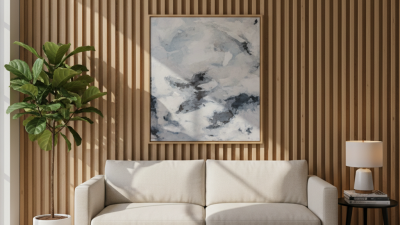
Wall Wood Panels come in various styles, colors, and textures. It's crucial to consider the overall aesthetic of your home. Do you prefer a modern look or something more rustic? Each style has its own charm. However, many homeowners overlook the significance of proper installation. A poorly mounted panel can detract from its beauty.
It's also essential to think about the maintenance required for different wood types. Some woods are more durable than others and can withstand wear and tear. Yet, many people buy impulsively without assessing long-term implications. Take the time to reflect on how each Wall Wood Panel option aligns with your lifestyle. Emphasize quality, and remember: the best choice adds both beauty and functionality to your living space.
Understanding Different Types of Wood Panels for Walls
When selecting wall wood panels, understanding the various types is crucial. Plywood, MDF, and solid wood panels each have unique characteristics. Plywood is often preferred for its strength and flexibility. It is made from multiple layers of wood veneer, providing durability. According to industry data, it comprises about 40% of the wall panel market due to its affordability.
MDF, or Medium Density Fiberboard, is another popular choice. It offers a smooth surface for painting and is cost-effective. However, it may not withstand moisture as well as plywood. A recent report indicated that MDF sales are growing annually by 6%, reflecting its demand in contemporary design. Solid wood panels, while expensive, bring a timeless beauty. Each panel showcases unique grains. Many homeowners choose solid wood for long-lasting investments.
This variety gives homeowners options but can lead to confusion. Each type has a learning curve in installation and maintenance. Some might find plywood too utilitarian, while others see beauty in MDF's versatility. Solid wood may require more thought regarding environmental impact and cost. It's vital to reflect on these factors to make an informed choice.
How to Choose the Best Wall Wood Panel for Your Home? - Understanding Different Types of Wood Panels for Walls
| Type of Wood Panel |
Material |
Texture |
Durability |
Cost |
| Plywood |
Composite wood |
Smooth |
High |
$$ |
| MDF (Medium Density Fiberboard) |
Engineered wood |
Smooth with matte finish |
Medium |
$ |
| Pine Wood |
Solid wood |
Natural grain |
Low to Medium |
$$ |
| Oak Wood |
Solid wood |
Textured |
High |
$$$ |
| HDF (High Density Fiberboard) |
Engineered wood |
Smooth |
Medium |
$ |
Evaluating Aesthetic Preferences: Style and Color Selection
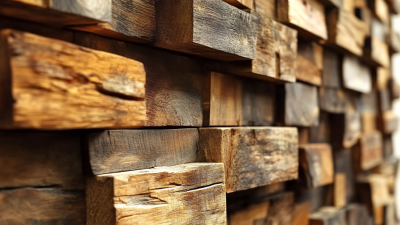
Choosing the right wall wood panel involves understanding your aesthetic preferences. You need to consider both style and color. Think about the overall theme of your home. Do you want a rustic vibe or something more modern? If your decor embraces natural elements, a reclaimed wood panel could fit well. For a sleek look, opt for smooth, dark finishes.
When it comes to color selection, you’ll face some challenges. Darker hues can make a room feel cozy but may also close off space. Light colors can open up an area but might require frequent cleaning. Don’t forget the impact of texture. A rough finish can add warmth, while a polished look conveys sophistication.
Tips: Look at samples in natural light. Colors change under different lighting. Consider your existing furniture. It should complement the wood panel, not clash. Test a small area first. This helps you see how it looks over time. Always trust your instincts; you’re the one living with the choice.
Wood Panel Styles and Their Popularity
Assessing Durability and Maintenance Requirements of Wood Panels
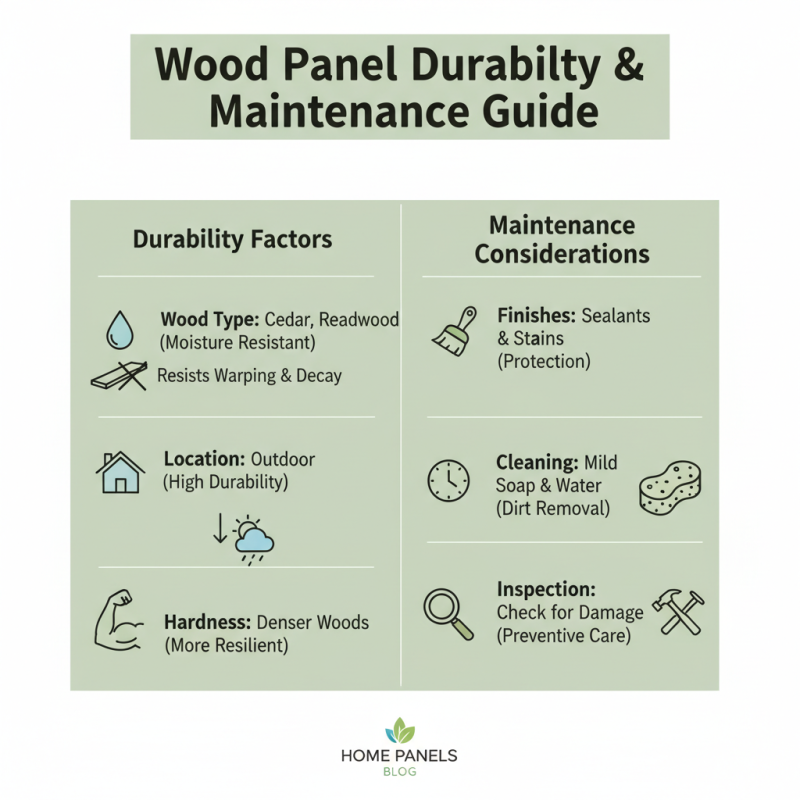
When choosing wood panels for your home, durability and maintenance are crucial. Consider the type of wood used. Some species resist moisture better than others. For example, cedar and redwood endure well in humid areas. These panels withstand warping and decay better than softer woods. Think about where you will install them. An outdoor space requires highly durable materials.
Maintenance is essential for preserving wood panels. They may require periodic sealing to protect against moisture. This can be time-consuming, and not everyone enjoys regular upkeep. Keeping up with dirt and grime is also necessary. A simple soap-and-water wash could help, but it isn't always effective. Pay attention to scratches and dents, as they can worsen over time.
Assessing the overall aesthetic is also important. Remember that lighter woods can show stains more easily. Darker finishes may hide imperfections but can absorb heat. Be prepared to deal with these elements. Over time, your choice of panel might not match evolving home styles. So, consider future changes when making your selection.
Considering Installation Methods and Costs for Wood Paneling
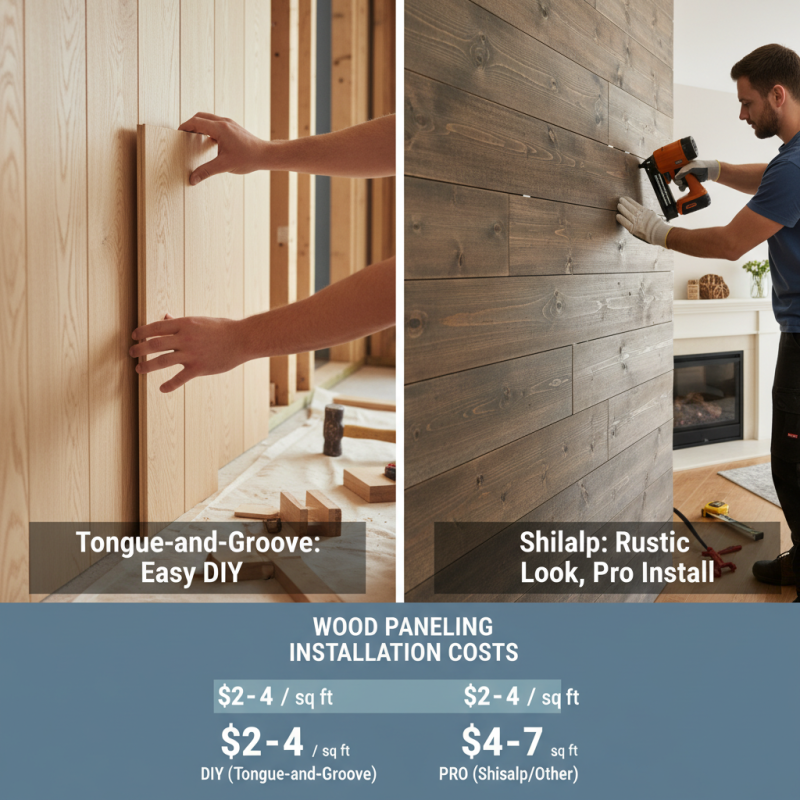
Choosing the right wood paneling for your home involves understanding installation methods and associated costs. Installation techniques vary widely. For instance, tongue-and-groove panels interlock easily, making DIY installations feasible. On the other hand, shiplap offers a rustic look with a slightly more complex installation. According to industry reports, installation costs can range from $2 to $7 per square foot, depending on the method.
Tip: Always consider hiring a professional. While DIY might save money, knowledge gaps can lead to mistakes, which cost more in the long run.
Beyond installation, consider long-term maintenance costs. Some wood panels require regular sealing or repainting. This maintenance can add up over time. Data shows that homeowners often underestimate these expenses. A reputable study indicated that ongoing costs can increase by 15% annually.
Tip: Research specific wood types and their maintenance needs before committing. Choosing the wrong panel can lead to regret and unexpected expenses.
Exploring Environmental Impact and Wood Sourcing Practices
When selecting wall wood paneling, environmental impact should be a priority. The demand for wood products is high, but sourcing practices vary significantly. According to the Forest Stewardship Council (FSC), only about 10% of the world’s forests are certified as sustainably managed. This disparity raises concerns about deforestation and habitat loss.
Many homeowners may not realize that the type of wood panel chosen can influence ecosystems. For instance, using American hardwoods over exotic species can mitigate negative environmental effects. Research shows that local sourcing reduces carbon footprints significantly. A report from the World Resources Institute indicates that local timber can cut emissions by up to 24%.
Despite these advantages, wood products often come from unclear supply chains. There’s an unsettling truth: not all suppliers can guarantee responsible sourcing. Buyers must advocate for transparency in wood sourcing. Understanding where materials come from is essential. This awareness can lead to better choices that positively impact our planet.