How to Choose the Best Acoustic Panels for Your Space?
Choosing the right acoustic panel for your space can be daunting. Sound quality is essential in any environment, whether it's a recording studio or a home theater. The right panel impacts clarity, echo, and noise reduction.
Acoustic panels come in various materials, shapes, and sizes. Some panels absorb sound better than others. This variability may lead to confusion when making a choice. You might wonder if thicker is always better. Sometimes, thinner panels work well in certain spaces.
Before purchasing, examine your room. Consider the wall surfaces and furniture layout. Reflect on your needs; different settings require different solutions. Some people regret not doing enough research. They end up with panels that do not suit their needs. Taking the time to choose wisely can enhance your audio experience significantly.
Understanding the Purpose of Acoustic Panels in Sound Control
Acoustic panels play a crucial role in sound control, shaping the auditory experience in various spaces. Research indicates that sound absorption materials can reduce noise levels by up to 30 decibels. This significant reduction improves speech clarity and listening conditions in environments like recording studios, classrooms, or open offices. Different materials, such as fiberglass and foam, offer distinct acoustic properties. Choosing the right type depends on the intended use and aesthetic preference.
When selecting panels, consider the room's unique acoustics. Hard surfaces amplify sound, creating echoes. The positioning of panels is vital; strategic placement in corners can enhance sound absorption. A study found that 70% of participants noticed improved sound quality with correctly installed panels. Yet, many still neglect to assess the acoustic needs of their spaces. Measuring sound levels before and after installation can reflect the real impact of your choices.
Design matters too. Acoustic panels now come in various colors and styles. This diversity allows them to blend seamlessly into any decor. However, some panels may not be as effective as advertised. It’s essential to research materials and performance ratings. Misleading claims can lead to poor investments. Focus on transparency in specifications to ensure effective sound control.
How to Choose the Best Acoustic Panels for Your Space?
| Panel Type |
Material |
Thickness (inches) |
Noise Reduction Coefficient (NRC) |
Ideal Use Cases |
| Foam Panels |
Polyurethane |
2 |
0.9 |
Home Studios, Gaming Rooms |
| Fabric-Wrapped Panels |
Acoustic Fiberglass |
1 |
0.8 |
Auditoriums, Conference Rooms |
| Wooden Panels |
Wood and Acoustic Core |
0.75 |
0.7 |
Concert Halls, Restaurants |
| Bass Traps |
Mineral Wool |
4 |
1.0 |
Recording Studios, Home Theaters |
Identifying Different Types of Acoustic Panels Available on the Market
Choosing the right acoustic panels for your space begins with understanding the types available. Generally, panels fall into two main categories:
foam panels and fabric-wrapped panels.
Foam panels are lightweight and easy to install. They absorb sound well but may lack aesthetic appeal. Many users find the look uninviting.
Fabric-wrapped panels are another option. They offer a more polished appearance and blend seamlessly with your decor.
These panels can be customized in colors and patterns.
However, they are often heavier and may require professional installation. It's important to consider the installation process when selecting. Some people overlook this detail, leading to frustration later.
Another type to consider is bass traps. These focus on low-frequency sounds. They can improve overall sound quality in larger spaces.
However, they are typically bulkier than standard panels. Space constraints can pose a challenge. Ultimately, selecting the right type depends on your specific needs and the characteristics of your environment.
Different settings may necessitate a mix of these options. Finding the ideal balance may take time and experimentation.
Evaluating Your Space’s Acoustic Needs and Challenges
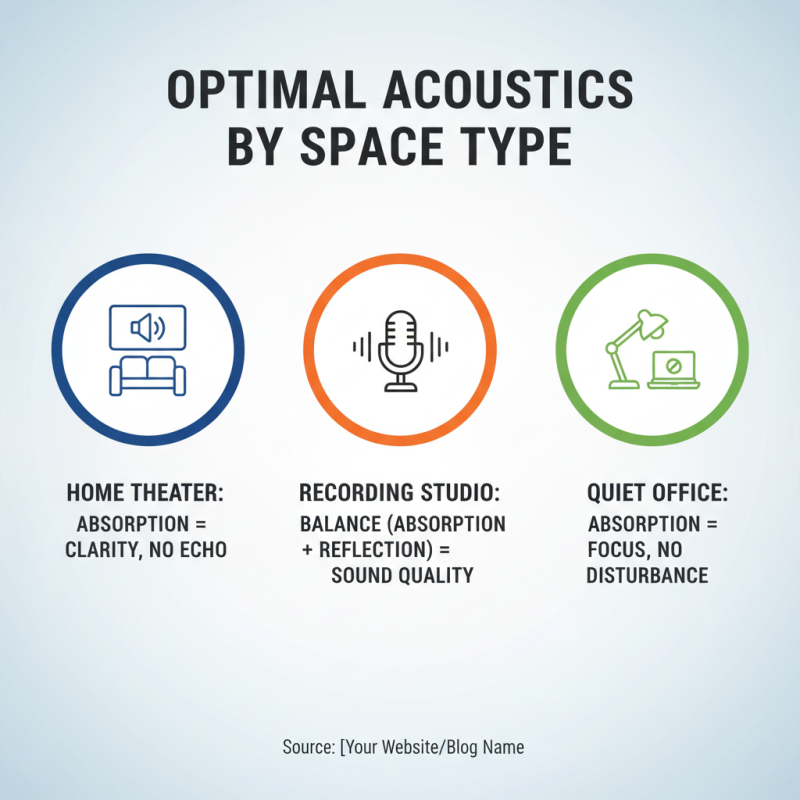
When evaluating your space's acoustic needs, consider its purpose. Is it a home theater, a recording studio, or a quiet office? Each setting has unique sound requirements. For instance, a home theater may require panels that absorb sound waves, preventing echo and enhancing clarity. In contrast, a recording studio needs a balance of absorption and reflection for optimal sound quality.
Next, assess the room's layout. Are there hard surfaces like tile or glass? These surfaces can reflect sound, causing issues. You might notice echoes or distorted sounds. Look for locations to place acoustic panels strategically. Corners and wall joinings are often problematic areas. Sometimes a single panel won't solve the issue.
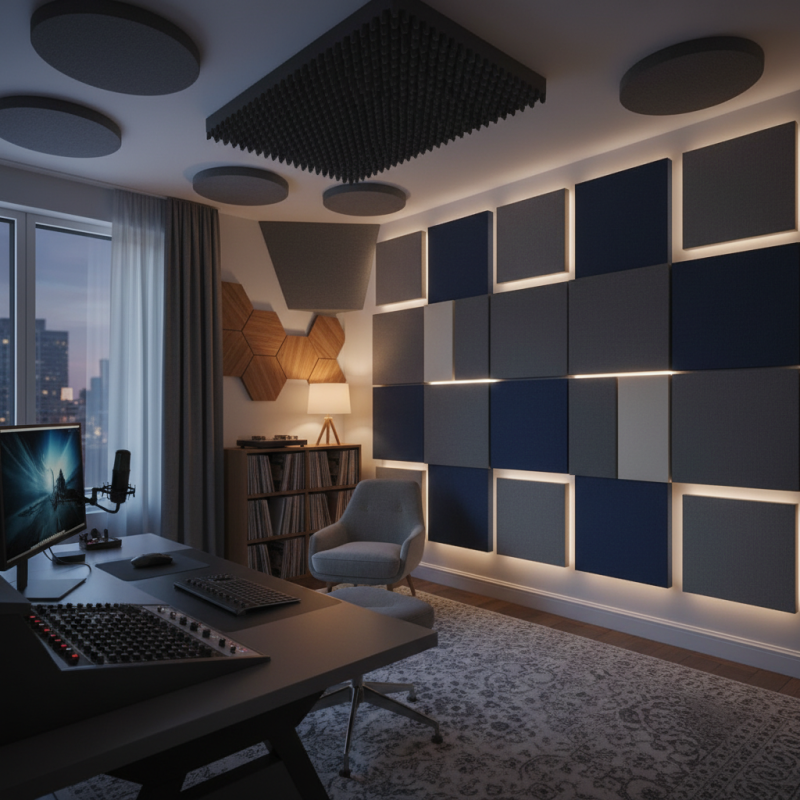
Don't forget about aesthetics. Acoustic panels come in various designs and colors. They should blend into your space while providing functionality. If the panels are too bold or stark, they might clash with your decor. This can hinder your willingness to use them effectively. Pay attention to both sound quality and visual appeal. The balance between practicality and aesthetics can be challenging.
Factors to Consider When Selecting Acoustic Panels for Your Room
Choosing the right acoustic panels can transform your space. Start by assessing the size of your room. A larger room may need more panels to absorb sound effectively. Understand your room's purpose. A home studio requires different panels than a living room.
Consider material options. Foam panels are popular but can look less appealing. Fabric-wrapped panels offer better aesthetics and performance. Don't forget about color and design. Panels should complement your room's decor. Take your time. Order samples if needed. Reflect on how different panels affect sound. Not every panel works the same for every space.
Installation is another factor. Decide whether you want to mount panels permanently. Some options allow for easy removal. Think about the panel placement. You might need to experiment with positioning for the best results. It’s okay to feel overwhelmed. This is a process that requires thought and, sometimes, trial and error.
Installation Tips and Best Practices for Acoustic Panel Placement
When installing acoustic panels, choosing the right placement is key. Research indicates that sound waves travel in predictable patterns. This means specific locations can enhance sound absorption. For instance, the early reflection points on walls should be prioritized. These are typically located about one-third of the way into the room from each wall. Understanding this concept can significantly improve acoustical performance.
Consider the height and arrangement of your panels. Mount panels at ear level for optimal effectiveness. A report shows that panels installed too high can lose their impact. It's often recommended to create a balanced arrangement across the space. This not only aids sound quality but also adds to the visual appeal. Be cautious, as an uneven panel distribution may lead to unwanted echoes.
Don't overlook corners. Bass buildup often occurs here. Relying solely on wall-mounted panels may leave these areas vulnerable. Using bass traps can address this issue effectively. They can complement wall panels by absorbing low-frequency sounds. Reflection and absorption should ideally work together to create a harmonious acoustic environment. Remember, trial and error might be necessary to achieve the perfect soundscape for your specific space.
Sound Absorption Coefficients of Common Acoustic Panel Materials