How to Choose the Best Decorative Panels for Your Space?
When selecting Decorative Panels for your space, understanding current trends is crucial. Recent industry reports indicate that the global decorative panel market is projected to grow at a compound annual growth rate (CAGR) of 7% through 2026. This growth reflects a rising demand for aesthetic and functional design solutions in both residential and commercial settings.
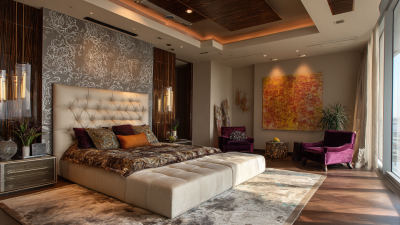
Decorative Panels enhance visual appeal and can significantly influence mood and atmosphere. A well-chosen panel can transform a dull room into an inviting space. Interestingly, 30% of homeowners report feeling more relaxed in spaces featuring well-designed panels. However, selecting the right type can be challenging due to the vast options available.
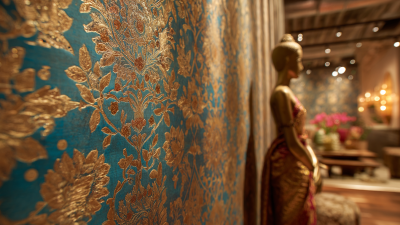
Consider the materials, such as wood, metal, or fabric. Each offers unique textures and finishes that can create distinct visual impacts. There is a risk, though, in choosing based solely on trends instead of personal style and needs. Ultimately, it's essential to find a balance between aesthetic pleasure and practicality.
Understanding Decorative Panels: Types and Materials
Decorative panels are versatile elements that can elevate the aesthetic of any space. Understanding the various types and materials available is crucial. According to the latest market research, the global decorative panel market is projected to reach $58 billion by 2027. This growth highlights the increasing importance of these elements in interior design.
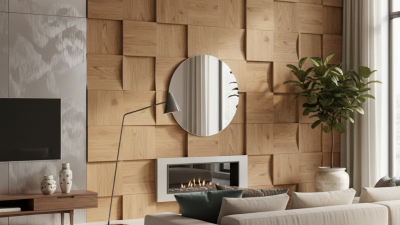
Wood, PVC, and metal are common materials used for decorative panels. Wood panels add warmth and natural beauty, appealing to many homeowners. Meanwhile, PVC panels are durable and moisture-resistant, making them suitable for areas like bathrooms and kitchens. Metals such as aluminum provide a sleek, modern look but require precise installation. Each material has its unique characteristics. It's essential to consider factors like maintenance and durability when selecting panels.
Design trends are continually evolving. An emerging popular choice is eco-friendly panels made from recycled materials. They combine sustainability with style, aligning with the growing desire for green building practices. However, not all eco-friendly panels perform equally; some may not provide the durability required for high-traffic areas. Having reliable information can guide consumers in making informed decisions and reflections on their choices.
Assessing Your Space: Size, Style, and Functionality
Assessing your space starts with size. Measure the walls where you plan to install decorative panels. Consider the height and width to avoid overwhelming the room. A small space can feel cramped with large panels. On the other hand, tiny panels may get lost in a large area. Balance is key.
Next, think about the style. What mood do you want to create? Modern panels can enhance sleek lines, while textured options add warmth. Look at your existing decor for guidance. A cohesive style will create harmony in your space. Don't hesitate to mix materials, but stay mindful of the overall theme.
Functionality plays a critical role as well. Are the panels purely decorative, or do they serve a purpose? Soundproofing panels can improve acoustics. Panels with storage options add practicality. Reflect on how each choice impacts your daily life. Sometimes, what looks good doesn't work well in real life. Test your ideas before finalizing any decisions.
Choosing the Right Finish: Colors and Textures
Choosing the right finish for decorative panels is essential. Colors and textures can drastically impact your space's overall feel. Consider your current decor. A shiny finish might look attractive but it could be overwhelming in a small room. Matte finishes can soften the atmosphere.
Textures also play a crucial role. Smooth surfaces can create a modern look, while rougher textures add warmth. Think about how these textures will feel. Can they enhance the tactile experience of a room? Mixing finishes allows for more depth. Yet, it can be tricky. Too many variations may clash. Aim for a cohesive look that reflects your style.
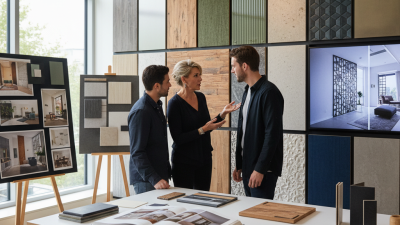
When selecting colors, natural shades can create a calming effect. Bold, vibrant hues can inject energy into a space. Reflect on the mood you want to set. What feelings do you want visitors to experience? Sometimes, choices may not turn out as expected. A chosen color might appear different in various lighting. Test samples in your space before committing. The right finish should complement your vision while also being functional.
Installation Methods: DIY vs. Professional Help
When considering decorative panels, the installation method is crucial. DIY installation can be an exciting project for those with some experience. It allows you to personalize your space without hiring a professional. Make sure to research specific installation techniques before you begin. You may face challenges, such as uneven walls or misalignment, which can affect the final look.
On the other hand, hiring a professional can save time and ensure high-quality results. Professionals have the experience and tools necessary for installation. You might think about the costs involved compared to the potential stress of a DIY job. Sometimes, it’s wise to seek help, especially if you lack confidence in your skills. Assessing your comfort level with complex tasks is essential in this decision-making process.
Ultimately, the choice between DIY and professional installation depends on your skills, budget, and desired outcome. Each method has its pros and cons. Reflecting on what you value most in the process can guide you in making a better decision.
Maintenance Tips for Longevity and Appearance
Maintaining decorative panels is crucial for their longevity and appearance. Clean them regularly using a soft cloth and mild detergent. Avoid abrasive cleaners, as they can scratch the surface and undermine their visual appeal. Dusting should become a routine; even small dirt particles can damage the finish over time. If you notice stains, address them promptly to prevent permanent discoloration.
Humidity and direct sunlight can adversely affect panels. Consider using a humidifier in dry seasons and close curtains when sunlight is strongest. These measures can prevent warping and fading. It's also wise to check for any signs of wear regularly. Peeling edges or discoloration may signal that replacement is due. A proactive approach can save you from greater expenses.
While decorative panels are designed to be durable, they are not invincible. Even quality materials demand care and attention. Take time to assess their condition frequently. Sometimes, small touch-ups can keep them looking fresh and vibrant. Ignoring these details can lead to larger issues down the line.