Top 10 Benefits of Using WPC Wall Panels for Modern Interior Design
The rising trend of modern interior design has led to the exploration of innovative materials, with WPC wall panels emerging as a standout choice for contemporary spaces. Wood-Plastic Composite (WPC) wall panels are not only aesthetically pleasing but also offer numerous advantages that cater to the evolving demands of homeowners and designers alike. According to a report from MarketsandMarkets, the global WPC market is projected to reach USD 7.5 billion by 2025, highlighting the growing popularity and acceptance of this versatile material in both residential and commercial applications.
One of the primary benefits of WPC wall panels is their ability to blend functionality with style. These panels are designed to withstand moisture, making them ideal for areas with high humidity, such as bathrooms and kitchens. Additionally, they provide excellent thermal insulation and energy efficiency, addressing environmental concerns while enhancing comfort within living spaces. A study from Grand View Research indicates that the demand for eco-friendly building materials is on the rise, strongly positioning WPC wall panels as a sustainable choice for modern interior designs. As we delve deeper into the top ten benefits of using WPC wall panels, the advantages they offer become increasingly evident, making them a go-to solution for creating stylish and practical interiors.
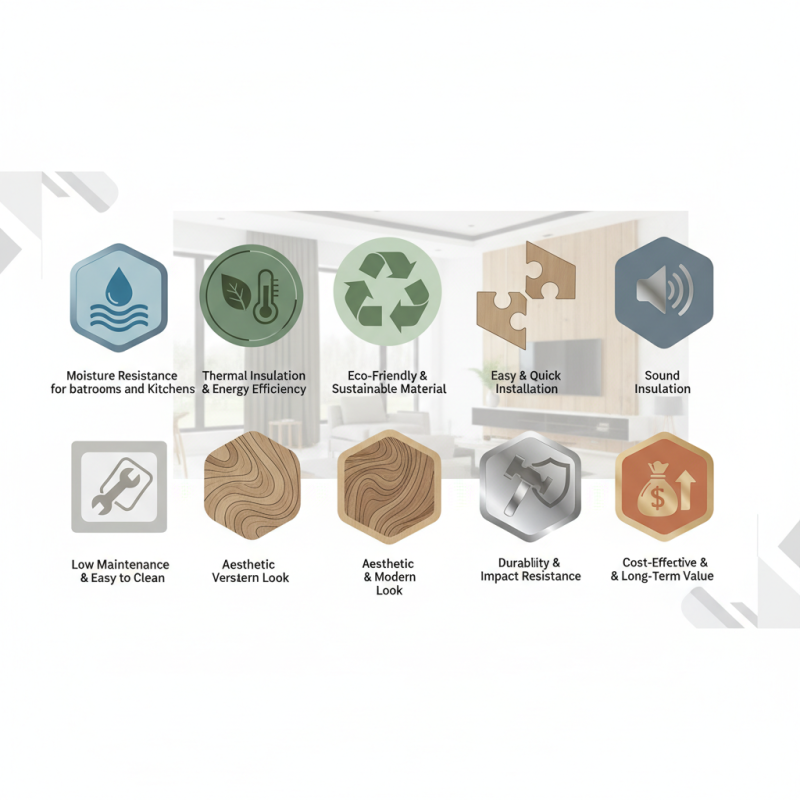
Benefits of WPC Wall Panels in Modern Interior Design Applications
WPC (Wood-Plastic Composite) wall panels have emerged as a popular choice in modern interior design applications due to their unique blend of aesthetics and functionality. One significant benefit of WPC panels is their superior durability. According to a report by the Wood Polymer Composites Association, WPC materials can last up to 25 years without significant degradation, making them ideal for high-traffic areas in both residential and commercial settings. Their resistance to moisture, rot, and pests ensures that they maintain their appearance and structure over time, providing a cost-effective solution for long-term use.
Moreover, WPC wall panels offer excellent insulation properties, contributing to energy efficiency in buildings. A study published by the Green Building Council highlights that using WPC panels can enhance thermal resistance by up to 23% compared to traditional materials. This leads not only to lower energy bills but also creates a more comfortable living environment.
Tip: When selecting WPC wall panels, consider options with a variety of textures and finishes to match your interior theme while maximizing their aesthetic appeal. Additionally, ensure that the panels come with a certification indicating low VOC (Volatile Organic Compounds) emissions to promote a healthier indoor air quality. With their versatility and practicality, WPC wall panels continue to transform modern interiors into stylish yet functional spaces.
Durability and Longevity: How WPC Panels Outperform Traditional Materials
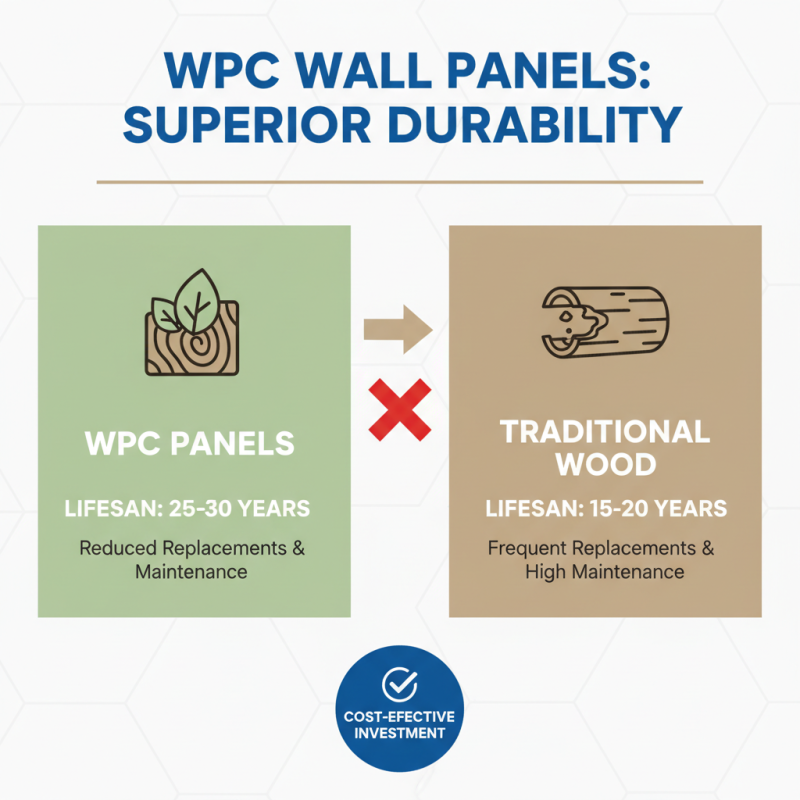
WPC (Wood-Plastic Composite) wall panels have emerged as a popular choice in modern interior design, primarily due to their impressive durability and longevity compared to traditional materials. According to a recent industry report from the Composites Market, WPC products typically exhibit a lifespan of 25-30 years, which significantly exceeds the 15-20 years of durability offered by traditional wooden panels. This extended durability not only minimizes the frequency of replacements but also contributes to a reduction in long-term maintenance costs, making WPC panels an economically sound investment for homeowners and designers alike.
Furthermore, WPC materials are engineered to withstand various environmental challenges. The American Society for Testing and Materials (ASTM) states that WPC panels offer enhanced resistance to moisture, termites, and warping, which are common issues that plague wood materials. This inherent resilience ensures that WPC wall panels maintain their aesthetic appeal and structural integrity over time, even in humid or variable climate conditions. Enhanced UV resistance further protects the colors and finishes of these panels, making them an ideal choice for various applications within modern interior designs, from residential spaces to commercial environments.
Aesthetic Versatility: Styles and Finishes Available in WPC Wall Panels
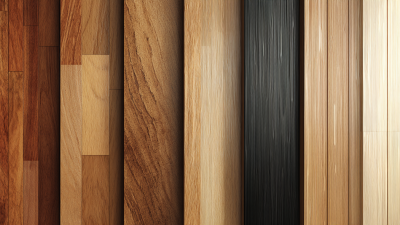
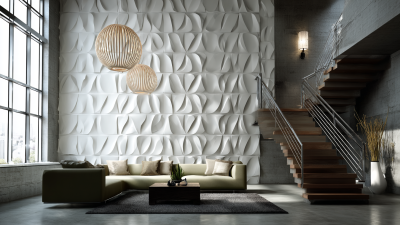
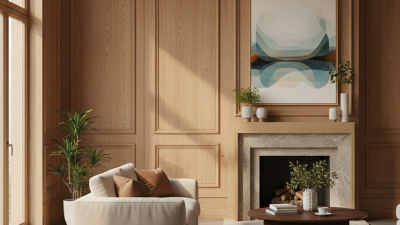
WPC wall panels have emerged as a popular choice in modern interior design, primarily due to their remarkable aesthetic versatility. Available in a wide array of styles and finishes, these panels cater to diverse design preferences, allowing homeowners and designers alike to create stunning, personalized spaces. Whether one leans towards a sleek, contemporary look or prefers a more rustic, natural aesthetic, WPC panels can be customized to fit any vision. From smooth, high-gloss finishes that elevate a minimalist theme to textured surfaces that add warmth and depth, the options are nearly limitless.
Moreover, the variety in colors and patterns further enhances the appeal of WPC wall panels. Designers can easily find finishes that mimic the appearance of traditional wood, stone, or even modern industrial materials, enabling a seamless integration into any interior scheme. This extensive selection not only ensures visual appeal but also fosters creativity, allowing for unique combinations that can transform ordinary walls into striking focal points. As a result, WPC wall panels stand out as a versatile solution for those looking to elevate their interior spaces with both style and functionality.
Eco-Friendly Advantages: Sustainability in WPC Wall Panel Production
WPC wall panels, composed of wood plastic composite, represent a sustainable choice in modern interior design, aligning perfectly with eco-friendly principles. Their production process utilizes recycled wood and plastic materials, significantly reducing waste and conserving natural resources. By incorporating WPC panels, homeowners and designers are not only enhancing aesthetic appeal but also contributing to a circular economy, where materials are reused and repurposed rather than discarded.
Moreover, the sustainability of WPC wall panels extends beyond their manufacturing. These panels are designed to last longer than traditional materials, minimizing the need for frequent replacements and thereby reducing the environmental footprint associated with constant refurbishment. Additionally, WPC panels do not require toxic treatments or finishes, making them a safer choice for indoor environments. This commitment to environmental responsibility makes WPC wall panels an ideal solution for those seeking modern design without compromising on sustainability.
Cost-Effectiveness: Long-Term Savings with WPC Wall Panel Installation
When considering modern interior design, cost-effectiveness plays a crucial role in the choice of materials. WPC wall panels, made from a combination of wood and plastic, provide a sustainable and economical alternative to traditional wall finishes. Their durability ensures that once installed, they require minimal maintenance, which translates into long-term savings for homeowners and property developers alike. Unlike conventional materials that might need frequent repainting or repairing, WPC panels are resistant to moisture, termites, and wear, significantly reducing the expenses related to upkeep and renovations over time.
Furthermore, the installation process of WPC wall panels is straightforward and less labor-intensive compared to other materials, reducing labor costs. The lightweight nature of these panels makes them easy to handle and install, allowing for quicker project completion. Additionally, their insulation properties can lead to energy savings by reducing heating and cooling costs in a building. As energy efficiency becomes increasingly important, the long-term savings associated with using WPC wall panels continue to add up, making them a wise financial investment for modern interiors.