Top Benefits of PVC Panels for Global Buyers?
In recent years, PVC panels have gained immense popularity among global buyers. Their versatility and durability make them an attractive choice for various applications. Industry expert Dr. Anna Grey, a leading authority in building materials, points out, "PVC panels offer an ideal solution for modern designs without compromising on performance."
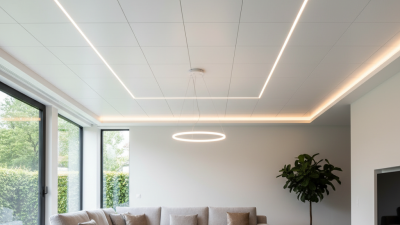
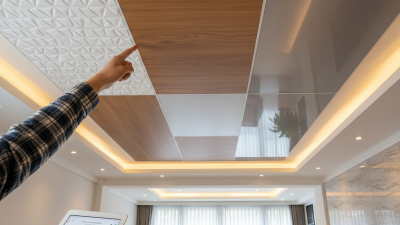
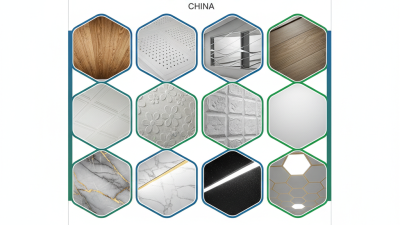
These panels come in various designs, colors, and finishes, allowing for creative freedom in construction and remodeling. Their lightweight nature makes installation easy, yet they are robust enough to withstand harsh environments. For instance, in humid areas, PVC panels resist mold and mildew effectively.
However, it’s essential to consider the ecological impact of PVC production. Some buyers may hesitate, weighing the benefits against environmental concerns. Understanding these aspects can lead to better decision-making in the long run. PVC panels represent a balance of utility and aesthetic value, presenting a compelling option for many buyers.
Overview of PVC Panels and Their Growing Popularity
PVC panels have gained significant traction in recent years. Their lightweight nature and durability make them a preferred choice for many buyers. These panels can be used in various applications, such as interiors and exteriors. This versatility makes them attractive for both residential and commercial projects.
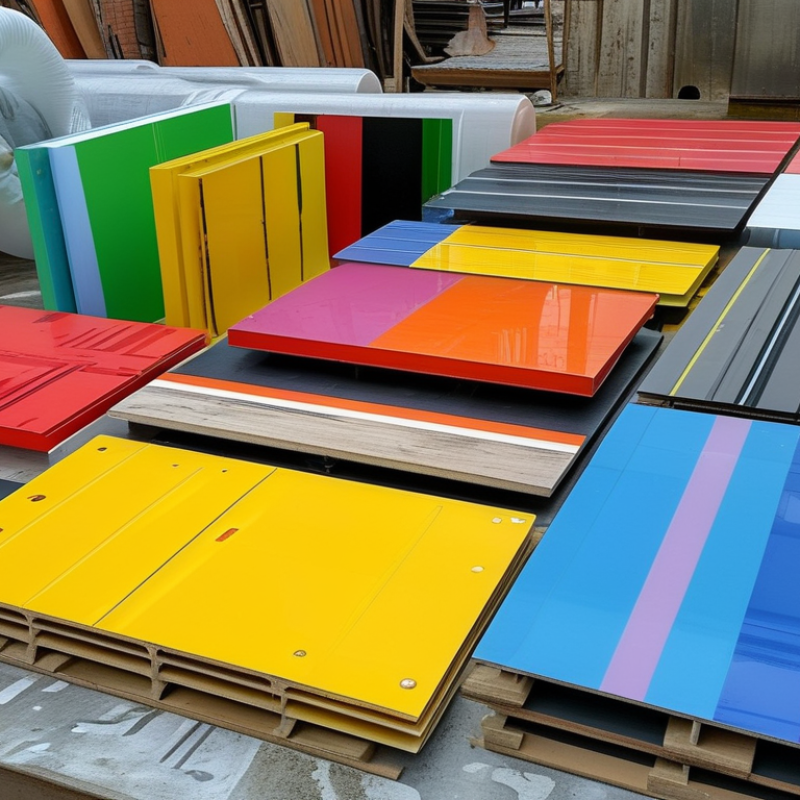
The growing popularity of PVC panels can be attributed to their low maintenance requirements. They resist moisture and mold effectively. This quality appeals to buyers who want long-lasting solutions without frequent repairs. The aesthetic appeal is another noteworthy aspect. PVC panels come in various designs and colors, allowing for a customized look that suits diverse preferences.
Despite their advantages, it's essential to consider potential downsides. Some users report that PVC panels may not offer the same premium feel as natural materials. There can also be a learning curve for proper installation. Understanding these factors can help buyers make informed decisions.
Benefits of PVC Panels for Global Buyers
Key Advantages of PVC Panels in Construction and Design
PVC panels are becoming increasingly popular in construction and design. They offer several advantages that appeal to global buyers. One of the most significant benefits is their lightweight nature. This makes installation easier and reduces labor costs. Additionally, these panels are water-resistant and durable. They can withstand moisture and humidity, which is essential in areas prone to water exposure.
Design versatility is another key advantage. PVC panels come in various styles and colors. This allows for creativity in both residential and commercial projects. Whether you want a modern look or something more traditional, PVC panels can fit your vision. They are easy to cut and shape, enabling unique architectural designs.
When considering PVC panels, think about the installation process. Proper preparation can enhance the outcome. For optimal adhesion, clean surfaces thoroughly before installation. Also, consider temperature conditions, as extreme heat or cold can affect performance. Regular maintenance is necessary too; a simple wipe with a damp cloth keeps them looking fresh.
Durability and Maintenance Benefits of PVC Panels
PVC panels have gained popularity in various sectors, thanks to their remarkable durability and low maintenance demands. Industry reports indicate that PVC panels can withstand harsh environmental conditions, thus enduring for over 20 years without significant wear. This longevity makes them an ideal choice for both residential and commercial applications.
The maintenance benefits are equally compelling. Unlike traditional materials, PVC panels are resistant to mold, mildew, and rotting. A study from the Building Research Establishment highlights that maintaining PVC panels requires 60% less time and effort than wood or metal alternatives. Cleaning typically involves a simple wipe down. This ease of maintenance saves both time and resources for global buyers.
However, it is essential to note that not all PVC panels are created equal. The quality can vary significantly among manufacturers. Buyers should seek panels that meet industry standards for performance and environmental safety. This vigilance helps in ensuring long-lasting benefits and reliability. Ultimately, while PVC panels present many advantages, careful selection is crucial for maximizing their potential.
Cost-Effectiveness of PVC Panels for Global Buyers
Cost-Effectiveness of PVC Panels for Global Buyers
PVC panels are emerging as a cost-effective solution for various applications worldwide. According to industry reports, the global PVC panel market was valued at approximately $1.98 billion in 2022 and is expected to grow by 6.8% annually. This data indicates a strong demand driven by affordability and functionality.
One of the most attractive features of PVC panels is their durability. They resist moisture, pests, and even some chemicals, reducing maintenance and replacement costs significantly. Industry data suggests that using PVC panels can lead to savings of up to 30% in long-term maintenance when compared to traditional materials like wood or gypsum. Such figures highlight why buyers are increasingly turning to PVC for cost-effectiveness.
However, while the initial costs are appealing, it is crucial to consider other factors such as installation skills and local availability. Some regions might experience higher tariffs, impacting the overall cost efficiency of these panels. Furthermore, not all PVC products are created equal, and buyers must carefully evaluate their choices to ensure lasting value. The key lies in sourcing high-quality materials that align with both budget constraints and project requirements.
Eco-Friendly Aspects of PVC Panels and Their Market Demand
PVC panels are gaining traction due to their eco-friendly properties. They are made from a material that can be recycled and reused, mitigating waste. According to industry reports, the global demand for sustainable building materials has increased by over 30% since 2020. This growing awareness of environmental impact drives consumers to choose PVC panels, which boast lower carbon footprints compared to traditional materials.
Research shows that approximately 60% of buyers consider the sustainability of building materials. PVC panels contribute to energy efficiency in buildings by providing excellent insulation. This not only reduces energy consumption but also lowers utility bills for homeowners. However, the production of PVC panels has its challenges. Concerns about the release of pollutants during manufacturing linger, reflecting the need for industry improvement.
The market for PVC panels is expected to grow significantly, projected at a compound annual growth rate of 5.5% through 2028. This reflects a balance between demand for affordability and the call for sustainable options. Buyers are increasingly scrutinizing the lifecycle impacts of their purchases. Continuous monitoring of environmental standards and manufacturing practices is crucial to ensuring the reliability of PVC panels as a green alternative. The journey toward truly eco-friendly materials in construction remains ongoing.