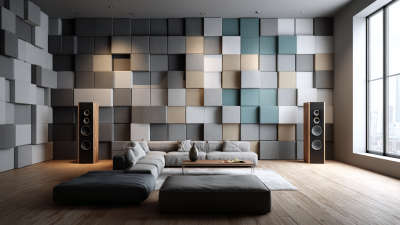
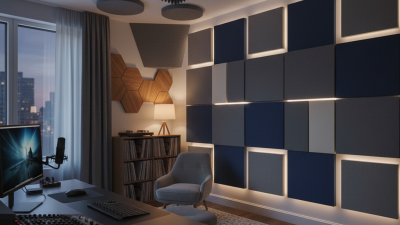
What is an Acoustic Panel and How Does it Work?
In recent years, the demand for acoustic panels has surged, driven by a growing recognition of their role in sound management. According to a report by MarketsandMarkets, the global acoustic panels market is projected to reach USD 1.5 billion by 2026, reflecting an increasing investment in noise control solutions. Experts emphasize the importance of understanding how acoustic panels work to maximize their benefits in various environments.
Dr. Emily Johnson, an acoustic engineer with over 15 years of experience, states, "Acoustic panels are essential for enhancing sound quality and reducing unwanted noise." This insight highlights the significance of these panels in everything from open office spaces to residential homes. Acoustic panels absorb sound waves, thereby minimizing echo and creating a more pleasant auditory environment.
Many people overlook the value of effective sound insulation. Poor acoustics can harm productivity and overall well-being. While acoustic panels can be a game-changer, their implementation requires careful consideration. It’s crucial to choose the right materials and placement for optimal results. As the industry continues to evolve, a deeper reflection on best practices and innovative applications can lead to even more effective solutions in sound management.

What is an Acoustic Panel?
Acoustic panels are crucial in controlling sound quality in various environments. They are designed to absorb sound waves, reducing echo and noise. According to a report by the Acoustical Society of America, improper acoustics can lead to a decrease in productivity by up to 30%. This highlights the importance of proper sound management in workplaces and public spaces.
The panels are typically made from materials like foam or fabric. These materials trap sound waves, preventing them from bouncing off walls.
For instance, a study published in the Journal of the Acoustical Society found that rooms treated with acoustic panels had a sound absorption coefficient of 0.8 to 1.0. This means they can absorb 80% to fully absorb sound, making spaces more comfortable for conversation or musical performance.
While many benefit from acoustic panels, they may not be perfect for every situation. Some installations require careful planning to achieve desired results. Poor placement can create dead spots where sound is muffled. This can lead to frustration in spaces designed for clear communication. Understanding the specific needs of a room is vital before installing acoustic treatment.
The Science Behind Sound Absorption
Acoustic panels are essential in many settings, from recording studios to home theaters. They work by absorbing sound waves, reducing echo and noise. This absorption is achieved through materials designed to trap sound, often made of foam or fabric. When sound waves hit these panels, they are converted into small amounts of heat energy. The science lies in how materials interact with sound frequency.
Choosing the right thickness and density is crucial. Thicker panels can absorb lower frequencies better. Sometimes, people underestimate the importance of placement. Positioning panels strategically around the room can improve sound quality significantly.
Tips for installation include testing different locations before finalizing. Use temporary adhesive to move panels easily. Observe how the sound changes and adapt accordingly. Remember, not every room will respond the same way. Sometimes, trial and error leads to the best results. Reflect on your space's unique acoustics to make informed decisions.
Types of Acoustic Panels Available
Acoustic panels come in various types, each designed to serve specific needs in sound absorption and control. Fabric-wrapped panels are popular for their versatility. They come in different colors and textures, making them aesthetically pleasing. These panels are effective for reducing echo and minimizing background noise in spaces like offices or studios.
Another type is the foam panel. These lightweight options are often used for home recording studios. Foam panels can be easily cut and shaped to fit any space. They work well in both commercial and residential settings. However, they may not completely absorb lower frequencies, which can be a limitation.
Wooden acoustic panels are also gaining popularity. They provide a natural look and can enhance the acoustic quality of a room. These panels can diffuse sound, which helps create a warm atmosphere. Yet, installation may require professional help, adding to the overall cost. As you explore options, consider the specific sound issues in your environment.
Applications of Acoustic Panels in Various Environments
Acoustic panels play a crucial role in various environments. In schools, they enhance speech clarity. By absorbing sound, they minimize distractions. This creates a better learning atmosphere. Teachers and students appreciate reduced noise levels. The right placement can transform classrooms.
In offices, acoustic panels foster productivity. They help create quiet zones. Employees can focus without interruptions. Meetings become more effective with improved sound quality. However, choosing the right material is vital. Some panels may not fit the aesthetic. This needs careful consideration.
Public spaces also benefit from acoustic panels. Restaurants use them to enhance guests’ dining experience. They dampen excessive noise from conversations. This makes the atmosphere inviting. Yet, some venues struggle with panel installation. Finding the balance between design and functionality can be challenging. It’s important to reflect on these aspects when designing spaces.
What is an Acoustic Panel and How Does it Work? - Applications of Acoustic Panels in Various Environments
| Application Environment |
Type of Acoustic Panel |
Primary Function |
Material Used |
Sound Absorption Coefficient |
| Recording Studios |
Fabric Wrapped Panels |
Sound Isolation |
Fiberglass, Fabric |
0.90 - 1.00 |
| Home Theaters |
Acoustic Foam Panels |
Echo Reduction |
Polyurethane Foam |
0.75 - 0.85 |
| Offices |
Baffles |
Noise Control |
Recycled Cotton, Polyester |
0.60 - 0.80 |
| Restaurants |
Wood Paneling |
Acoustic Comfort |
Wood, Soft Board |
0.50 - 0.70 |
| Schools |
Ceiling Tiles |
Speech Intelligibility |
Mineral Fiber |
0.70 - 0.90 |
Installation and Maintenance of Acoustic Panels
Acoustic panels are essential for sound management in various settings. Their installation and maintenance play a significant role in optimizing acoustic performance. Industry studies indicate that well-placed panels can reduce noise levels by up to 50%. Understanding how to properly install these panels can profoundly influence their effectiveness.
When installing acoustic panels, placement is crucial. Panels should be positioned at the reflection points of sound waves, often on walls and ceilings. This can dramatically improve speech intelligibility and reduce echo. Using proper mounting hardware is vital. Incorrect installation may lead to panel sagging or detachment, compromising sound absorption and aesthetic appeal.
Maintenance of acoustic panels is often overlooked. Regular inspections are necessary to ensure they remain clean and free from dust and dirt. Accumulation of grime can diminish their sound-absorbing properties. Surprisingly, some panels can require replacement within five years, especially in high-traffic areas. Therefore, it's essential to monitor the conditions around acoustic panels and make necessary adjustments. Recognizing these factors can lead to better sound environments.